

 EN
EN 中文
中文 ES
ES


.jpg)

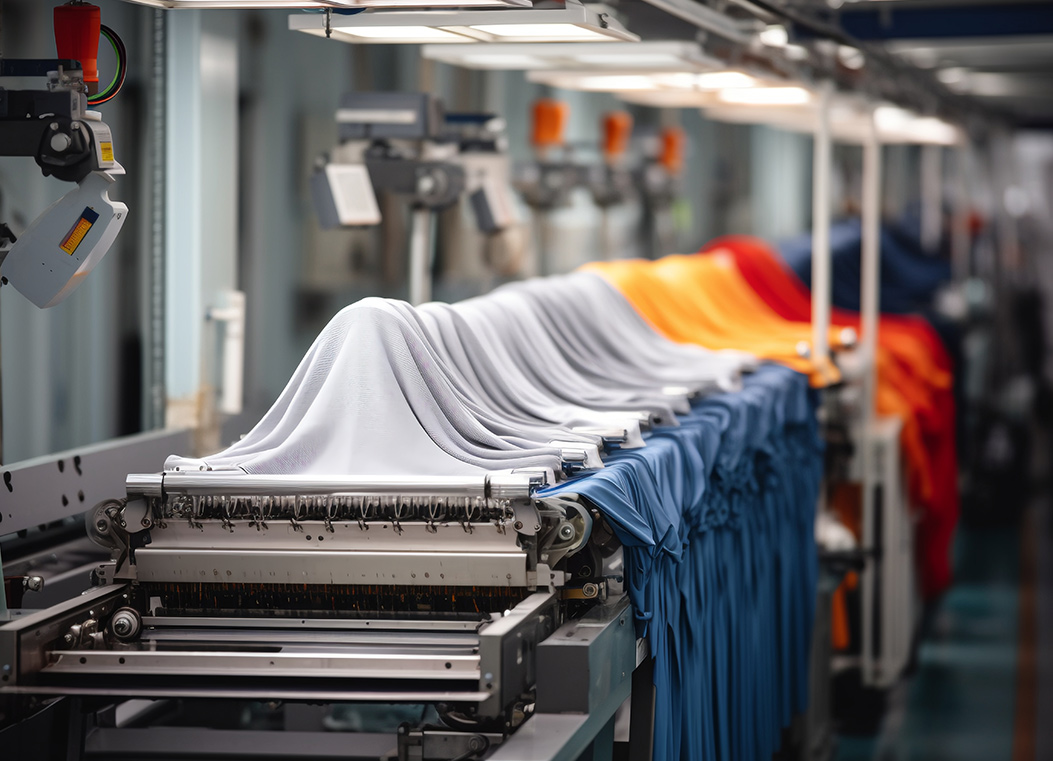






A growing number of manufacturers are looking closely at how materials respond to light, especially during outdoor use. Products such as Optical Brightener for Plastic and Optical Brightener for Woven Bags are often discussed together because they share similar working principles yet serve different production environments. Understanding how optical brighteners behave under UV exposure helps users decide how to manage color tone, whiteness consistency, and long-term appearance in woven bag applications.
The Interaction Between UV Light and Brightening Agents
Optical brighteners function by absorbing ultraviolet radiation and re-emitting it in the blue-violet range. This mechanism gives woven bags a cleaner and more uniform appearance, but the response under UV exposure is influenced by how evenly the brightener disperses within the polymer matrix. When woven bags are produced from polypropylene or related materials, UV light passes through the surface layers and interacts directly with the embedded brightener.
If the brightener has been blended thoroughly, the reaction tends to remain stable, allowing the material to keep a consistent visual outcome. However, if distribution is irregular, certain areas may appear duller than others during outdoor use. This uneven reaction under UV exposure is one of the frequent issues manufacturers seek to understand and adjust during production.
How Formulation Choices Shape UV Response
Producers of woven bags often adjust several formulation variables to influence how the brightener behaves. The type of resin, pigment load, and stabilizers added to the mixture all affect how well the brightener aligns with UV wavelengths. A brightener that works effectively in plastic films may not respond in the same way when used with the additives commonly found in woven bag extrusion.
Additives such as slip agents, fillers, or anti-static components may interfere with the brightener’s position within the polymer chain. Under UV exposure, these interactions can either help the brightener stay active or limit its effect. For this reason, manufacturers typically conduct small-batch trials before applying a brightener formula to large-scale woven bag production.
Processing Temperatures and Their Influence
During extrusion or lamination of woven bags, the processing temperature plays an important role in determining how the optical brightener settles within the yarn or film. If the temperature rises beyond the brightener’s stability range, part of the compound may degrade or migrate unevenly.
Under UV exposure, this thermal history becomes visible. Bags produced with overly high temperatures may show weaker brightness or inconsistent patches because the brightener is no longer positioned uniformly within the polymer. Adjusting the temperature range to match the brightener’s tolerance helps maintain more predictable behavior when the material is exposed to sunlight.
The Role of Surface Texture and Bag Structure
Woven bags have a textured, interlaced structure that differs significantly from smooth films or molded plastic parts. The spacing between tapes, the weaving tightness, and the coating layers all influence how UV light interacts with the brightener.
A tightly woven structure allows less light penetration, which can moderate the brightener’s reaction. In contrast, bags with a looser weave permit deeper light exposure, placing more emphasis on the uniformity of the brightener throughout the material. When these factors are not aligned, users may notice sections that respond differently to sunlight, creating a perception of uneven brightness.
Stability Under Outdoor Conditions
UV exposure is only one part of the outdoor environment. Heat, humidity, and dust contact also influence how the brightener behaves over time. Some woven bags are stored outdoors before distribution, while others are used in agricultural or industrial settings where sunlight intensity varies.
If the brightener is selected without considering these conditions, its performance may shift gradually, resulting in changes in whiteness or general appearance. Choosing a brightener compatible with the expected environment reduces this fluctuation and supports more predictable performance during outdoor use.
Practical Considerations for Manufacturers
Producers aiming for steadier results under UV exposure often focus on several practical steps:
Ensuring the brightener disperses evenly during mixing
Matching the brightener type with the resin grade and pigments used
Monitoring processing temperature ranges to avoid material stress
Checking sample bags under controlled UV conditions before full production
Adjusting coating formulations when lamination is part of the process
These steps help maintain more consistent whiteness levels and reduce unexpected variation during the product’s service life. While optical brighteners play a key role, the overall production environment influences how the woven bags respond once exposed to sunlight.