

 EN
EN 中文
中文 ES
ES


.jpg)


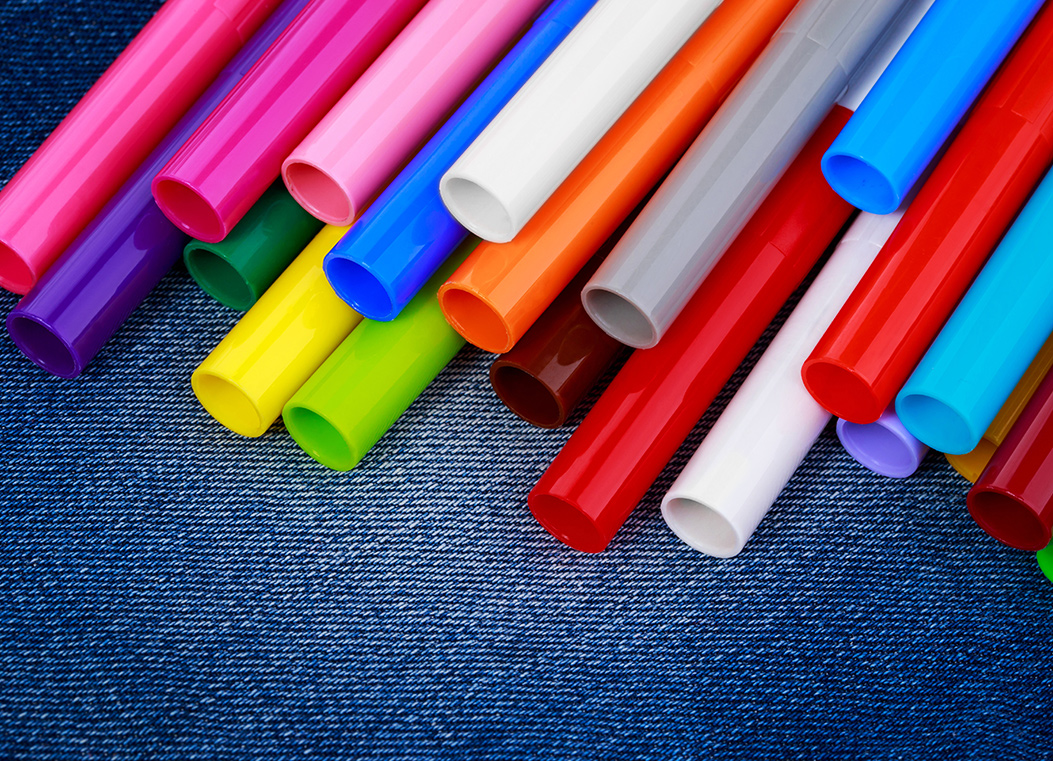







Subtle changes in visual quality often determine how plastic products are perceived in the market. In many production environments, Optical Whitener and Optical Brightener for Plastic are used as functional additives to adjust color tone, reduce yellowing effects, and support a cleaner appearance across different plastic applications. Rather than acting as pigments, these materials work through light interaction, making them a practical option for manufacturers aiming to refine product consistency without altering base formulations significantly.
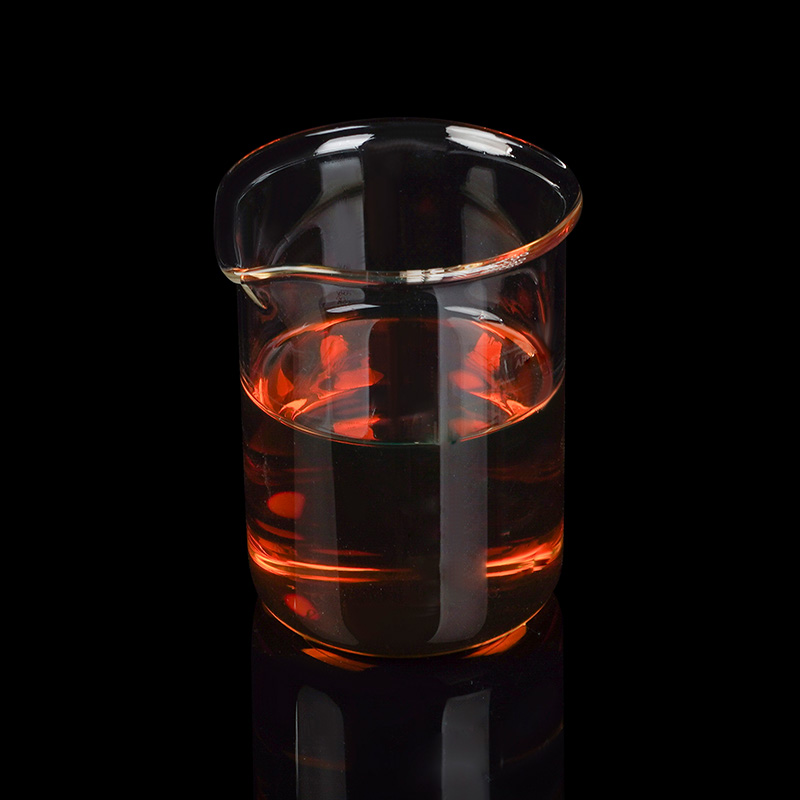
How Optical Whitener Works in Plastics
Optical whiteners operate by absorbing ultraviolet (UV) light and re-emitting it as visible blue light. This process helps offset the natural yellowish tint that may appear in plastics due to raw materials, processing temperatures, or environmental exposure. As a result, finished products can appear brighter and more neutral in tone.
In daily manufacturing, this effect is particularly useful when working with polymers such as polyethylene (PE), polypropylene (PP), and polyvinyl chloride (PVC). These materials can show slight discoloration after repeated heating cycles or when recycled content is introduced. By incorporating a suitable whitener, manufacturers can maintain a stable visual output across batches.
It is important to note that optical whiteners do not “cover” defects in the same way pigments do. Instead, they subtly adjust how light reflects from the material surface, which is why correct dosage and compatibility are key considerations.
Common Plastic Applications Where Brighteners Are Used
Optical brighteners are widely applied across industries where visual clarity or whiteness is part of product expectations. Their use is not limited to a single category but extends to both consumer and industrial products.
|
Application Area |
Purpose of Optical Whitener Use |
Typical Materials |
|
Packaging Films |
Improve transparency and brightness |
PE, PP |
|
Household Plastic Goods |
Reduce yellow tone in light-colored items |
PP, ABS |
|
Pipes and Fittings |
Maintain uniform color appearance |
PVC |
|
Injection Molded Parts |
Enhance surface visual consistency |
PS, ABS |
|
Textile Fibers (Synthetic) |
Adjust whiteness in fiber production |
PET, Nylon |
Practical Tips for Incorporating Optical Whitener
When integrating optical whiteners into production, process control is just as important as material selection. Below are several practical points that can help improve consistency:
- Dosage Control: Adding too little may not produce a visible effect, while excessive amounts can cause a bluish tint. Following supplier recommendations and conducting trials is essential.
- Uniform Mixing: Ensure the additive is evenly distributed, especially in masterbatch form, to avoid streaking or uneven brightness.
- Processing Temperature Monitoring: Excessive heat may reduce effectiveness or alter the chemical structure of the brightener.
- CompatibilityTesting: Small-scale testing with existing formulations helps identify any interaction issues with other additives such as stabilizers or fillers.
- Storage Conditions: Keep materials in controlled environments to avoid moisture or contamination that may affect performance.
These steps support more predictable outcomes and reduce the need for rework during production.
Challenges That May Arise in Real Production
Despite their usefulness, optical whiteners can present certain challenges if not handled carefully. One common issue is overcompensation, where excessive addition causes an unnatural blue hue rather than a neutral white. This often occurs when adjustments are made without controlled testing.
Another concern is interaction with other additives, such as UV stabilizers or pigments. Some combinations may reduce the visible effect of the whitener or create unexpected color shifts. This is particularly relevant in complex formulations used in automotive or electrical components.
Processing conditions can also influence results. Variations in cooling rates, mold surface finish, or extrusion speed may affect how light reflects from the final product, making it necessary to consider both material and process together rather than in isolation.
Optical Whitener vs Traditional Pigments
Although both are used to adjust appearance, optical whiteners and pigments serve different roles. Pigments provide direct coloration by absorbing and reflecting specific wavelengths of light, while optical whiteners modify how light is perceived.
|
Feature |
Optical Whitener |
Pigments |
|
Function |
Alters light perception |
Provides color |
|
Dosage |
Typically low |
Often higher |
|
Effect on Transparency |
Maintains clarity in many cases |
May reduce transparency |
|
Application |
Subtle brightness adjustment |
Strong color control |
Frequently Asked Questions
- Can optical whitener be used in all types of plastics?
Not all formulations are universal. Different polymers require specific types of brighteners designed for their processing temperature and chemical structure.
- Will adding more whitener always improve brightness?
No. Excessive amounts may create a visible blue tone and reduce the natural appearance of the product.
- Does optical brightener affect mechanical properties?
At typical usage levels, it generally has minimal impact on mechanical performance, but compatibility testing is still recommended.
- How is optical brightener for plastic added during production?
It is commonly introduced through masterbatch or directly blended with raw materials before processing.
- Can it be used with recycled plastic materials?
Yes, and it is often used to adjust color inconsistencies found in recycled content.