

 EN
EN 中文
中文 ES
ES


.jpg)

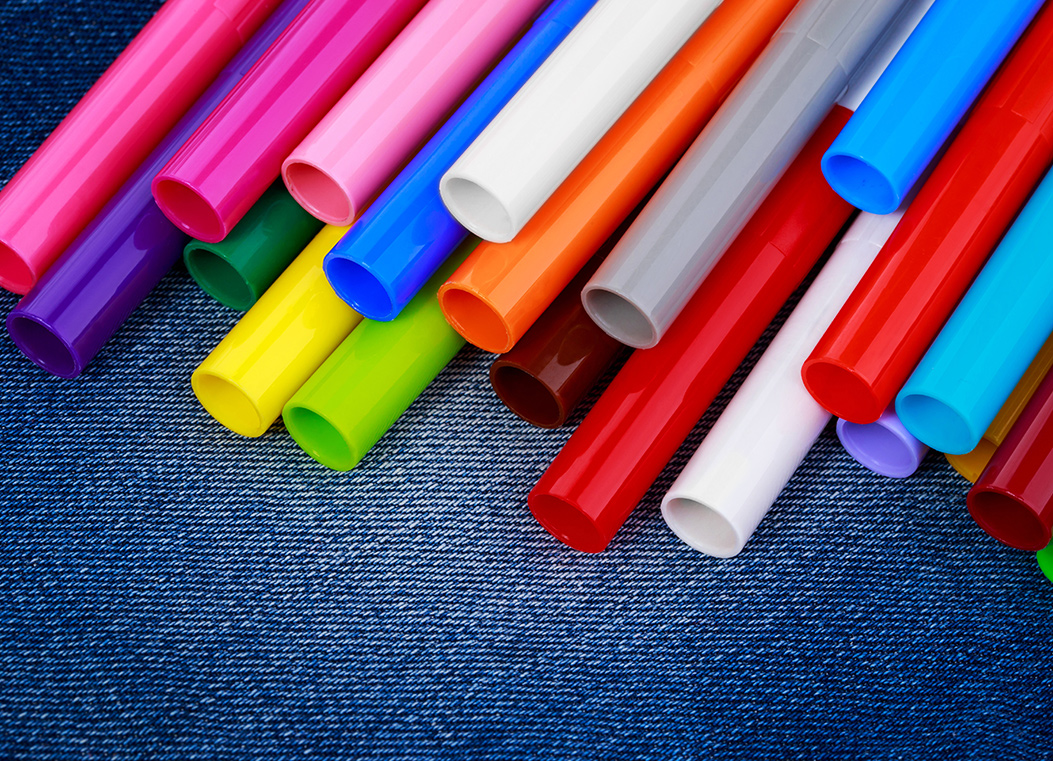
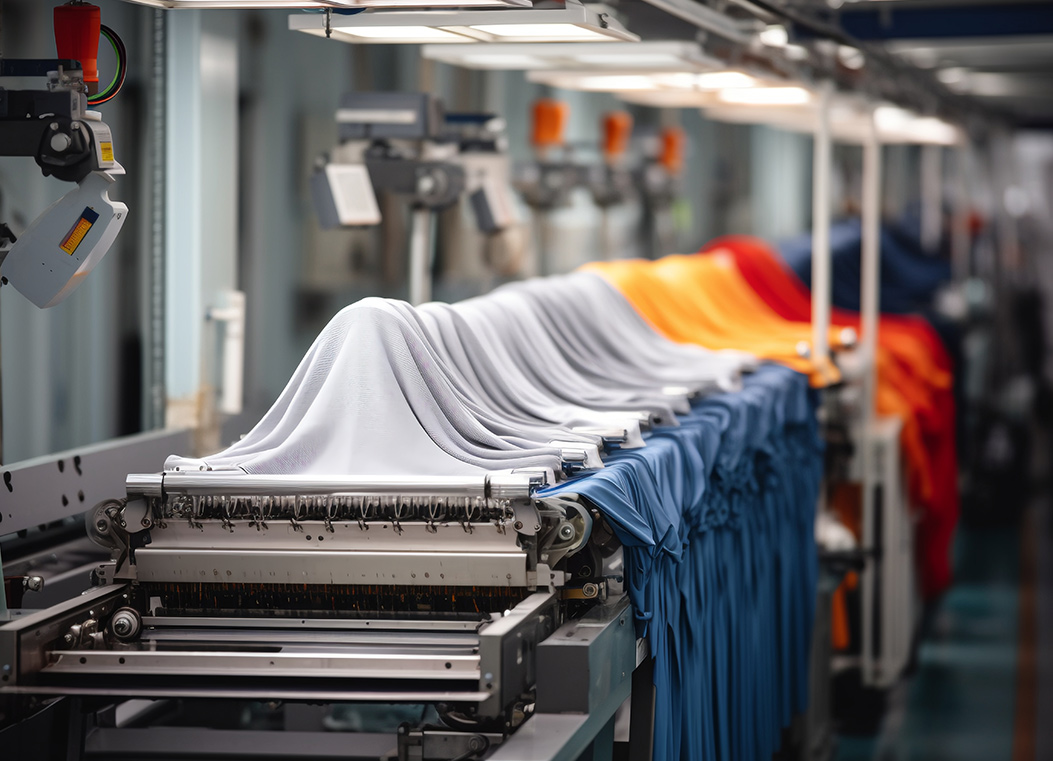






Fluorescent Whitening Agent and Optical Brightener OB are widely used in coating and paper production processes to adjust optical properties of surfaces by modifying how light is absorbed and reflected. In modern industrial applications, Fluorescent Whitening Agent is often combined with Optical Brightener OB to help stabilize visual brightness levels in paper and coated materials under different production and lighting conditions.
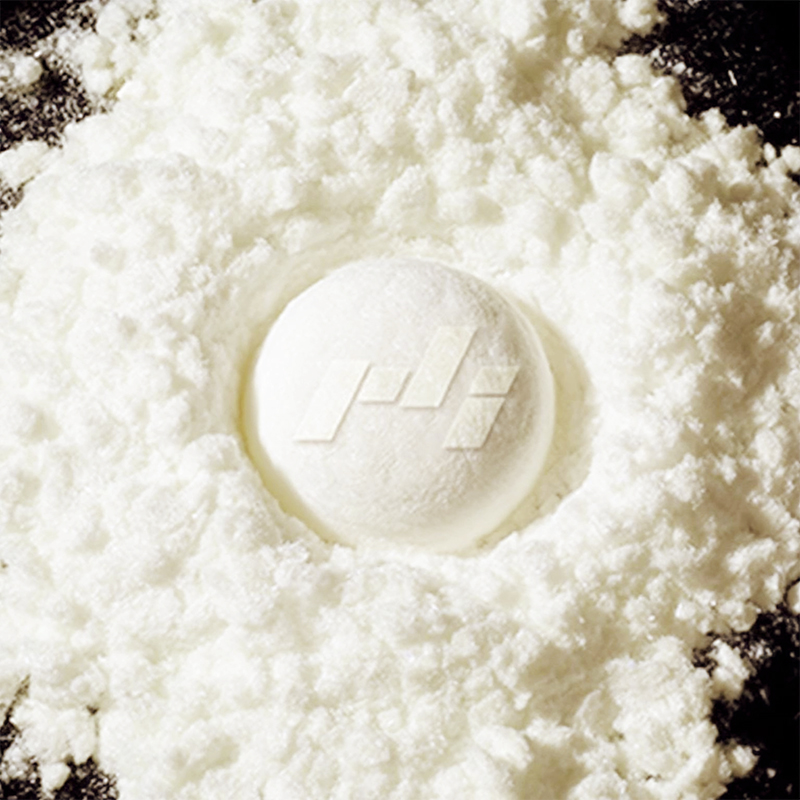
Optical Variation Challenges in Coating and Paper Systems
Paper and coating industries deal with natural variations in raw materials that directly influence surface appearance. Even when using standardized pulp or coating formulations, differences in fiber origin, filler composition, and processing conditions can result in uneven visual tone. These differences are more noticeable in large-scale production where multiple batches are combined or processed across different lines.
In paper manufacturing, recycled fibers introduce additional variability due to residual inks, dyes, and degradation products. In coating systems, uneven pigment dispersion or binder interaction can cause subtle surface tone shifts after drying. These variations do not necessarily affect mechanical performance, but they can influence visual uniformity, especially in printing and packaging applications where consistency is required across large volumes.
Lighting conditions also play a role. Paper and coated surfaces may appear different under natural light compared to UV or artificial lighting, which makes optical adjustment an important part of formulation design rather than a secondary step.
Optical Adjustment Mechanism in Industrial Formulations
Optical adjustment in paper and coating systems relies on additives that interact with ultraviolet light and modify visible reflection patterns. Optical Brightener OB functions by absorbing UV radiation and re-emitting it as blue light, which balances yellow tones commonly found in cellulose-based materials.
Fluorescent Whitening Agent is typically introduced into coating formulations or paper pulp systems depending on production requirements. In coating applications, it is mixed with binders and pigments before application to the substrate surface. In paper systems, it can be added during wet-end processing or surface sizing stages.
Key factors influencing performance in industrial use include:
- Distribution uniformity within coating or pulp matrix
- Stability under drying and curing temperatures
- Compatibility with fillers such as calcium carbonate or kaolin
- Interaction with binders like starch, latex, or synthetic resins
Adjustment of these parameters is usually based on production trials and target brightness range rather than fixed formulation rules.
Application Areas in Coating and Paper Industries
Fluorescent Whitening Agent and Optical Brightener OB are used across multiple segments where surface appearance plays a role in product acceptance and downstream processing. Their application is not limited to a single paper grade or coating type but extends across functional and decorative materials.
Common application scenarios include:
- Coated printing paper used in magazines, brochures, and catalogs
- Packaging paperboard for folding cartons and retail boxes
- Surface-treated paper used in labeling and product inserts
- Decorative coating layers for specialty paper products
- Industrial paper grades requiring stable visual tone during printing
In coating systems, additives are often incorporated into pigment-binder mixtures before application. In paper production, they may be introduced at different stages depending on whether the focus is bulk treatment or surface-level adjustment. This flexibility allows manufacturers to adapt formulation strategies based on production equipment and end-use requirements.
Production Observation and Formulation Behavior
In practical manufacturing environments, optical additives are evaluated based on consistency of surface tone, response under different lighting conditions, and stability across production batches. The following table summarizes typical observation points from coating and paper processing environments:
|
Process Factor |
Without Optical Additive Adjustment |
With Optical Brightener OB Integration |
|
Surface tone variation |
Noticeable between batches |
Reduced variation range |
|
UV light response |
Limited fluorescence effect |
More balanced blue reflection |
|
Coating uniformity |
Dependent on pigment dispersion |
More consistent visual distribution |
|
Paper brightness stability |
Affected by fiber variability |
More stable appearance across runs |
These results are influenced by multiple variables, including coating thickness, drying temperature, and pulp composition. As a result, manufacturers typically adjust additive levels through iterative testing rather than fixed formulas.
Integration in Modern Manufacturing Systems
Modern coating and paper production systems often combine multiple functional additives within a single formulation. Fluorescent Whitening Agent is used alongside dispersants, binders, and stabilizers, while Optical Brightener OB is selected based on compatibility with optical and chemical systems already in place.
In continuous production lines, maintaining consistent dispersion becomes an important control factor. Uneven mixing can result in localized variation in surface tone, which is why mixing conditions, agitation speed, and retention time are monitored during production. Some manufacturers also adjust formulations depending on seasonal humidity changes or raw material sourcing differences.
In coating applications, drying conditions such as temperature gradient and air flow can influence final optical behavior. In paper systems, fiber consistency and filler distribution play a larger role in determining final appearance.