

 EN
EN 中文
中文 ES
ES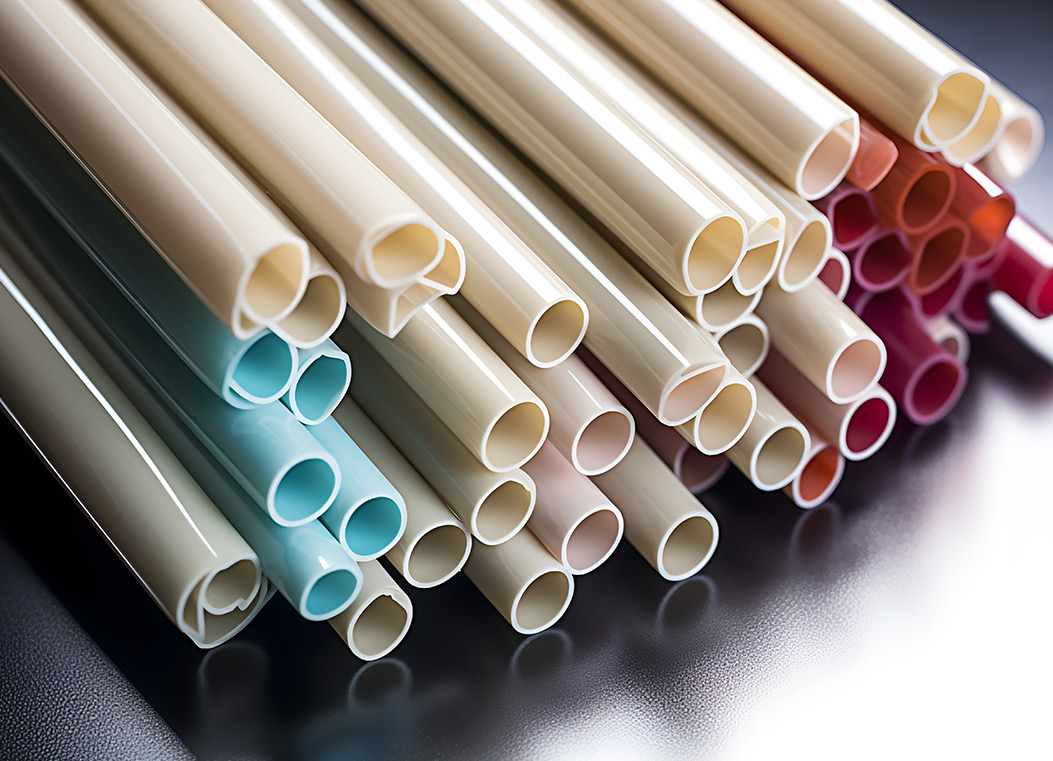



.jpg)

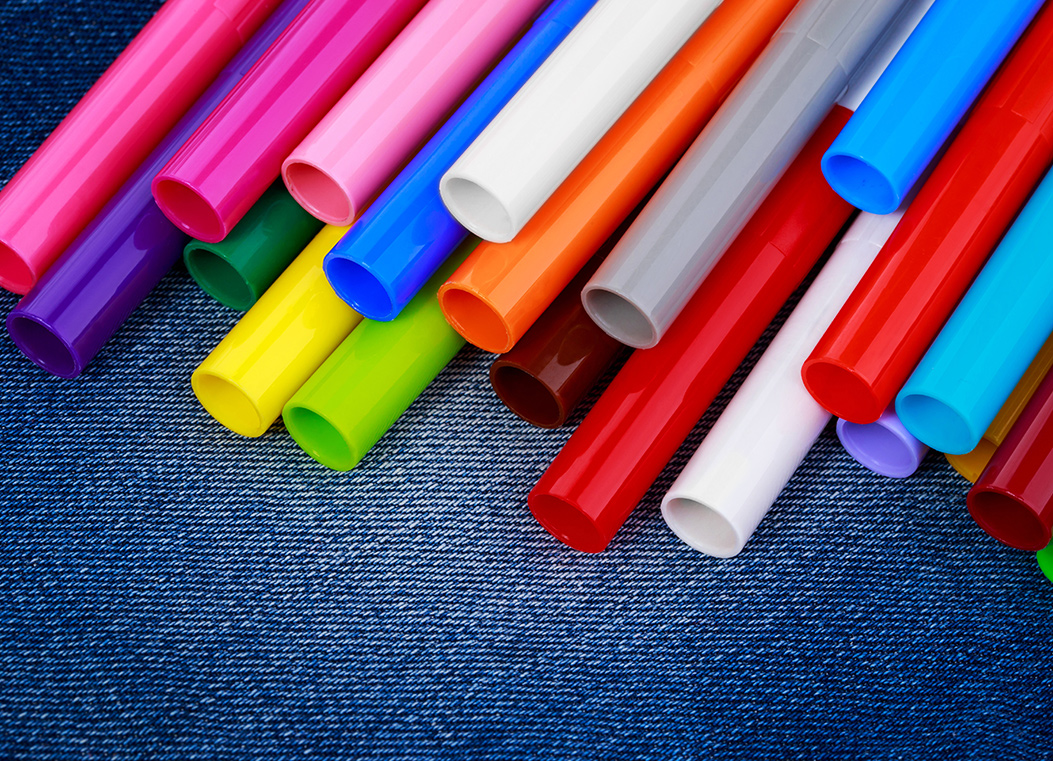






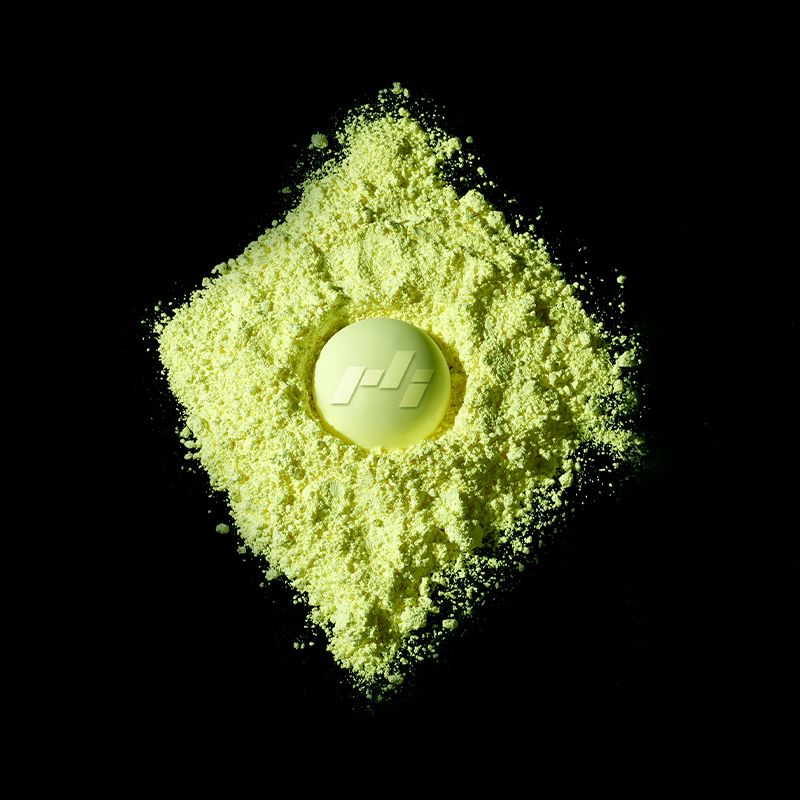
Fluorescent Whitening Agent and Optical Brightener OB are commonly used in plastic manufacturing to adjust surface appearance by influencing how materials reflect light after molding or extrusion. In many plastic product formulations, Fluorescent Whitening Agent works together with Optical Brightener OB to help reduce yellowish tones and maintain a more consistent visual tone across different resin batches and processing conditions.
Appearance Variation in Plastic Processing
Plastic materials often undergo color variation during processing due to factors such as resin origin, thermal exposure, and additive compatibility. Even when using similar base resins like polypropylene (PP), polyethylene (PE), or polystyrene (PS), slight differences in polymerization or recycling content can result in visible inconsistencies in final molded parts.
In manufacturing environments where plastic products are used for consumer packaging, household items, or industrial components, appearance consistency becomes part of product acceptance criteria. Yellowing or dull surface tones may appear during high-temperature injection molding or long storage of raw materials. These variations do not always affect structural performance but can influence how the product is perceived in downstream applications.
Another challenge comes from recycled plastic blends, where residual pigments and degradation by-products may introduce uneven optical behavior. As production scales increase, maintaining visual consistency across multiple production lines becomes more complex.
Optical Adjustment in Plastic Formulation Systems
Optical adjustment in plastics is achieved through additives that modify how light interacts with polymer surfaces. Optical Brightener OB is designed to absorb ultraviolet light and re-emit it in the blue spectrum, which visually balances yellow tones in plastic substrates. This optical shift helps create a more neutral appearance without altering the polymer structure.
Fluorescent Whitening Agent is typically introduced during compounding or masterbatch preparation. It is dispersed within the resin matrix to ensure uniform distribution throughout the molded product. The performance of these additives depends on several formulation factors:
- Processing temperature stability during extrusion or injection molding
- Compatibility with base resin types such as PP, PE, ABS, or PVC
- Concentration control in masterbatch dilution
- Interaction with other additives such as stabilizers or fillers
In practical production settings, adjustment of additive ratios is often required when switching between virgin and recycled materials to maintain visual consistency.
Application in Plastic Product Manufacturing
The use of Fluorescent Whitening Agent and Optical Brightener OB spans a wide range of plastic products. Their role is mainly related to surface appearance control rather than structural modification, making them suitable for both decorative and functional components.
Common application areas include:
- Injection molded household products such as storage containers and kitchenware
- Packaging plastics including bottles, caps, and film materials
- Industrial plastic housings and enclosures
- Cosmetic packaging components requiring stable visual appearance
- Extruded plastic sheets used in display and retail environments
In injection molding, these additives are usually pre-compounded into masterbatch form to ensure consistent dispersion. In extrusion processes, they are introduced into the feeding system where mixing conditions influence final optical distribution.
Processing Observation in Manufacturing Practice
In controlled production environments, optical additives are evaluated based on surface tone stability, batch consistency, and behavior under different lighting conditions. The following table summarizes typical observations seen during manufacturing adjustment trials:
|
Production Factor |
Without Optical Adjustment |
With Optical Brightener OB Integration |
|
Resin color variation |
Noticeable between batches |
Reduced visible differences |
|
Surface yellowing under heat |
More apparent in PP and PE |
Appearance shifts reduced |
|
UV light response |
Limited fluorescence effect |
Clearer blue tone balance |
|
Recycled material blending |
Higher inconsistency |
More uniform visual output |
These observations depend heavily on processing parameters such as temperature profile, screw speed in extrusion, and mold cooling rate. Adjustments are usually made gradually to align with product specifications.
Integration with Plastic Manufacturing Systems
Modern plastic production systems combine multiple additive functions into a single formulation strategy. Fluorescent Whitening Agent is not used in isolation but is part of a broader material design approach that may include anti-oxidants, UV stabilizers, lubricants, and processing aids.
During production scaling, manufacturers often evaluate how Optical Brightener OB behaves under different processing conditions. For example, higher processing temperatures may require adjustments in additive concentration to maintain stable optical response. Similarly, recycled material blends may require different dispersion strategies compared to virgin resins.
One practical consideration is storage stability of masterbatch formulations. Over time, uneven dispersion or environmental exposure can influence additive performance, so controlled storage conditions are commonly applied in production environments.
Industrial Application Patterns
Plastic manufacturers apply optical adjustment strategies based on product category and end-use requirements. In packaging applications, the focus is often on maintaining visual uniformity across mass production. In consumer goods, surface tone consistency is evaluated together with texture and gloss levels.
A simplified overview of application patterns includes:
- Packaging plastics: emphasis on batch-to-batch consistency
- Household products: focus on surface tone neutrality
- Industrial components: appearance stability under varying lighting
- Decorative plastics: controlled optical response for visual alignment
These application patterns show that optical additives are integrated as part of material design rather than standalone processing agents.