

 EN
EN 中文
中文 ES
ES


.jpg)
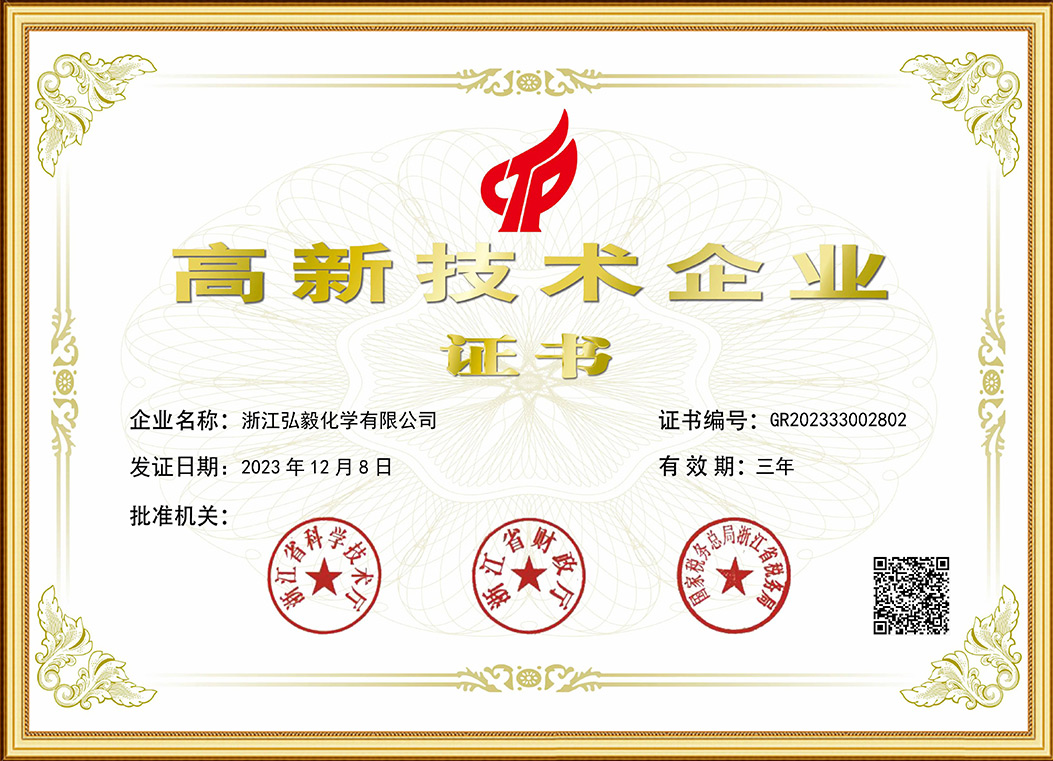







Fluorescent Whitening Agent and Optical Brightener OB are widely used in paper and packaging production to adjust the visual appearance of substrates by improving brightness perception under natural and UV light conditions. In many packaging applications, Fluorescent Whitening Agent works alongside Optical Brightener OB to help paper materials achieve a cleaner visual tone without significantly changing the base fiber structure.

Why Paper Brightness Matters in Packaging
Packaging paper is not only a functional carrier of products but also a visual communication layer that influences how materials are perceived before opening. Natural pulp fibers often contain trace impurities or slight yellow tones that become more noticeable after processing, storage, or exposure to heat and moisture. These variations may not affect the mechanical strength of the paper but can influence visual consistency across production batches.
In packaging industries such as food wrapping, cosmetic boxes, and retail cartons, visual uniformity is often required for brand presentation and product differentiation. However, achieving consistent brightness is not only a matter of increasing whiteness levels but also controlling how light interacts with the paper surface under different lighting environments. This is where optical adjustment additives are introduced into the papermaking process.
Role of Optical Adjustment in Paper Processing
Optical brightening technology works through a light absorption and emission process. Instead of simply masking color differences, Optical Brightener OB interacts with ultraviolet light and re-emits it as visible blue light, which visually balances yellow tones in paper fibers. This creates a perception of a cleaner surface without changing the physical structure of the material.
Fluorescent Whitening Agent is typically added during the wet-end stage of papermaking or surface coating stage, depending on the production process. The dosage and application method can vary based on paper grade, coating composition, and end-use requirements. In practice, manufacturers adjust formulation parameters to align with the following considerations:
- Fiber type (wood pulp, recycled pulp, or mixed pulp)
- Coating layer thickness
- Required brightness consistency across batches
- Compatibility with fillers such as calcium carbonate or clay
Unlike pigment-based whitening methods, optical brightening does not rely on covering the substrate but instead modifies how light is reflected and perceived.
Application Scenarios Across Packaging Paper Grades
The use of Fluorescent Whitening Agent and Optical Brightener OB is not limited to a single type of paper but is distributed across multiple packaging-related grades. Different applications require different balance points between brightness, cost, and processing stability.
Common usage scenarios include:
- Folding carton boards used in retail packaging
- Coated printing paper for product labels and inserts
- Food-grade wrapping paper where visual cleanliness is required
- Corrugated liner papers with surface coating treatment
- Specialty packaging paper for decorative or promotional use
In coated paper applications, optical brighteners are often introduced into the coating layer to achieve more uniform distribution. In uncoated or lightly treated paper, they may be incorporated directly into the fiber slurry. The selection of method depends on production equipment and desired surface characteristics.
Performance Observation from Production Practice
Although results can vary depending on formulation and production conditions, paper mills commonly observe changes in brightness consistency and surface appearance when Optical Brightener OB is properly integrated into the system. The following simplified table summarizes typical observation points in industrial usage:
|
Parameter |
Before Addition |
After Controlled Addition |
|
Surface tone |
Slight yellow tint in some batches |
More neutral visual tone |
|
Light reflection behavior |
Uneven under UV light |
More consistent fluorescence response |
|
Batch-to-batch variation |
Noticeable in recycled pulp blends |
Reduced variation range |
|
Print surface clarity |
Standard ink contrast |
Slight improvement in visual contrast perception |
These observations are generally influenced by formulation balance rather than a single additive, and adjustments are often made iteratively during production trials.
Integration in Modern Packaging Development
Packaging material development has shifted toward balancing visual presentation with production efficiency and resource utilization. In this context, Fluorescent Whitening Agent and Optical Brightener OB are used as part of a broader formulation strategy rather than standalone solutions.
Manufacturers often integrate these additives into existing chemical systems alongside sizing agents, retention aids, and coating binders. The interaction between these components can affect final paper behavior, particularly in terms of surface smoothness and ink absorption during printing.
One practical consideration in production environments is maintaining stability during long runs. Small variations in dosage or mixing conditions can influence optical response, so process monitoring becomes part of routine quality control. Some producers also adjust formulations depending on seasonal humidity or raw material changes.
Practical FAQ: Fluorescent Whitening Agent in Paper Applications
- What is the main function of Fluorescent Whitening Agent in paper production?
It is used to adjust the visual brightness of paper by improving how the surface reflects and emits light under visible and UV conditions.
- How does Optical Brightener OB interact with paper fibers?
It absorbs ultraviolet light and emits blue light, which helps balance yellowish tones in pulp-based materials.
- Can these additives be used in recycled paper?
Yes, but the effectiveness may vary depending on fiber quality and impurity levels in recycled pulp.