

 EN
EN 中文
中文 ES
ES


.jpg)


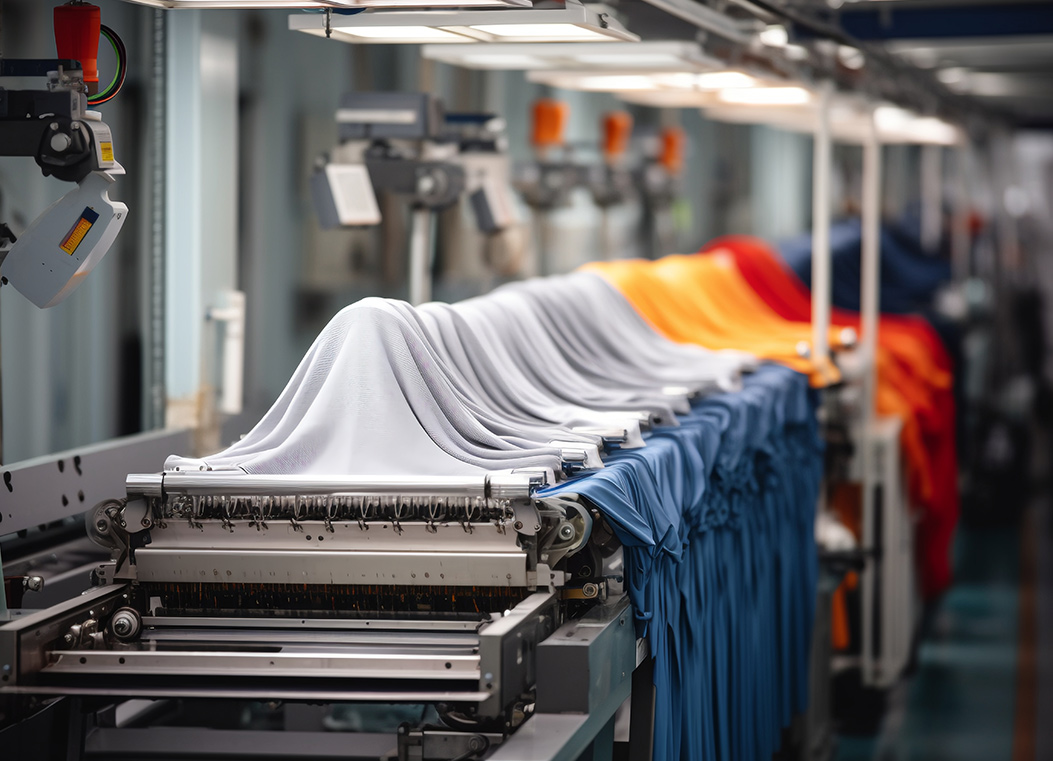






Recycled plastics often present visual challenges that differ from those of virgin materials, especially when consistency and appearance are important for downstream applications. In this context, Optical Whitener and Optical Brightener for Plastic are commonly used as supportive additives to help adjust color tone and reduce the visible impact of yellowing or dullness caused by previous processing cycles. Their role becomes particularly relevant when working with mixed or post-consumer materials, where variations are more difficult to control through raw material selection alone.
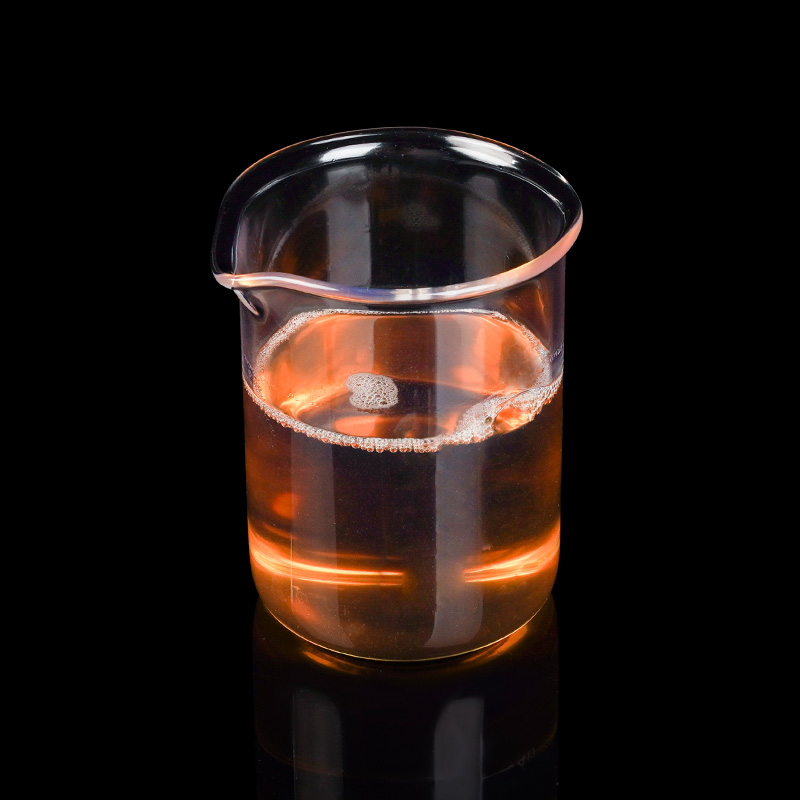
Visual Challenges Unique to Recycled Plastics
Unlike virgin polymers, recycled plastics typically carry a history of prior use, exposure, and processing. This history introduces several factors that can affect visual quality. Residual contaminants, even after sorting and cleaning, may contribute to uneven coloration. In addition, repeated heating during recycling can cause slight thermal degradation, which often appears as a yellow or gray tint.
Another challenge lies in the variability of input materials. Recycled streams may include plastics from different sources, grades, or formulations, making it difficult to maintain a consistent base color. Even when the same type of polymer is used, differences in additives, fillers, or pigments from the original products can influence the final appearance.
Because of these uncertainties, manufacturers working with recycled plastics often look for ways to stabilize visual output without significantly altering the material’s processing behavior. Optical whiteners offer a method to address this issue through light-based adjustment rather than direct color coverage.
How Optical Whitener Supports Appearance Adjustment
Optical whiteners function by absorbing ultraviolet light and emitting it as visible blue light. This interaction helps offset yellowish tones that are common in recycled plastics, making the material appear cleaner and more neutral in color.
The effect is not based on masking or coating the material, but rather on influencing how light is perceived by the human eye. As a result, the outcome depends on several factors, including the thickness of the product, the surface finish, and the lighting environment in which the product is viewed.
In recycled plastic processing, this approach is particularly useful because it allows manufacturers to make visual adjustments without needing to fully rework the formulation. Instead of relying solely on pigments, which may require higher loading levels and affect material properties, optical whiteners can be used in smaller quantities to fine-tune the final appearance.
Comparing Recycled and Virgin Plastic Behavior
To better understand the role of optical whiteners, it is helpful to compare the behavior of recycled plastics with that of virgin materials:
|
Property |
Virgin Plastic |
Recycled Plastic |
|
Color Consistency |
Generally stable |
Often variable due to mixed sources |
|
Thermal History |
Limited |
Multiple processing cycles |
|
Presence of Contaminants |
Minimal |
Possible residual impurities |
|
Appearance Adjustment Need |
Lower |
Higher |
|
Use of Optical Whitener |
Occasional |
More frequent for visual correction |
Practical Guidelines for Using Optical Brightener in Recycling
When applying optical brighteners in recycled plastic processing, practical considerations can help improve consistency and reduce trial-and-error adjustments:
Start with Controlled Dosage
Use conservative addition levels and adjust gradually based on visual evaluation. Recycled materials may respond differently compared to virgin resins.
Ensure Proper Mixing
Uniform dispersion is important, especially when dealing with heterogeneous recycled feedstock. Masterbatch forms are often used for better distribution.
Evaluate Material Source Variability
Different batches of recycled material may require slight adjustments in formulation, including the level of brightener used.
Monitor Processing Conditions
Stable temperature and residence time help maintain consistent performance of the additive.
Combine with Other Additives Carefully
Optical brighteners may interact with pigments or stabilizers, so compatibility testing is recommended before full-scale production.
These steps support a more predictable integration of optical brighteners into recycling workflows.
Factors That Influence Performance in Recycled Systems
The effectiveness of an optical brightener in recycled plastics depends on more than just the additive itself. Material condition plays a significant role. For example, plastics that have undergone extensive degradation may show limited response compared to lightly recycled materials.
Surface characteristics also matter. Rough or matte surfaces scatter light differently than smooth surfaces, which can influence how the brightening effect is perceived. Similarly, thicker parts may require slightly higher dosages to achieve the same visual adjustment seen in thinner products.
Environmental exposure after production can also affect long-term appearance. Products used outdoors may experience changes due to UV exposure, which can influence both the base material and the optical brightener over time. For this reason, application-specific testing is often necessary when products are intended for extended outdoor use.
Optical Brightener Versus Traditional Color Correction Methods
In recycled plastic processing, color correction is often achieved through a combination of methods. Pigments and dyes are commonly used to establish a base color, but they may not fully address the dull or yellowish appearance caused by prior degradation.
Optical brighteners provide a complementary approach by adjusting perceived brightness rather than adding opacity. This allows manufacturers to use lower levels of pigment while still achieving a visually balanced result. In some cases, this combination can help maintain material characteristics such as transparency or surface detail, which might otherwise be affected by higher pigment loading.
Frequently Asked Questions
- Is optical whitener necessary for all recycled plastics?
Not always. Its use depends on the visual requirements of the final product and the condition of the recycled material.
- Can it fully restore the original color of virgin plastic?
It does not restore the original material state but helps adjust the visual perception to reduce noticeable discoloration.
- How is it typically added during recycling?
It can be introduced during compounding or directly blended with recycled pellets before processing.
- Does it work equally well for all recycled polymers?
Performance varies depending on the polymer type, level of degradation, and formulation compatibility.