

 EN
EN 中文
中文 ES
ES




.jpg)


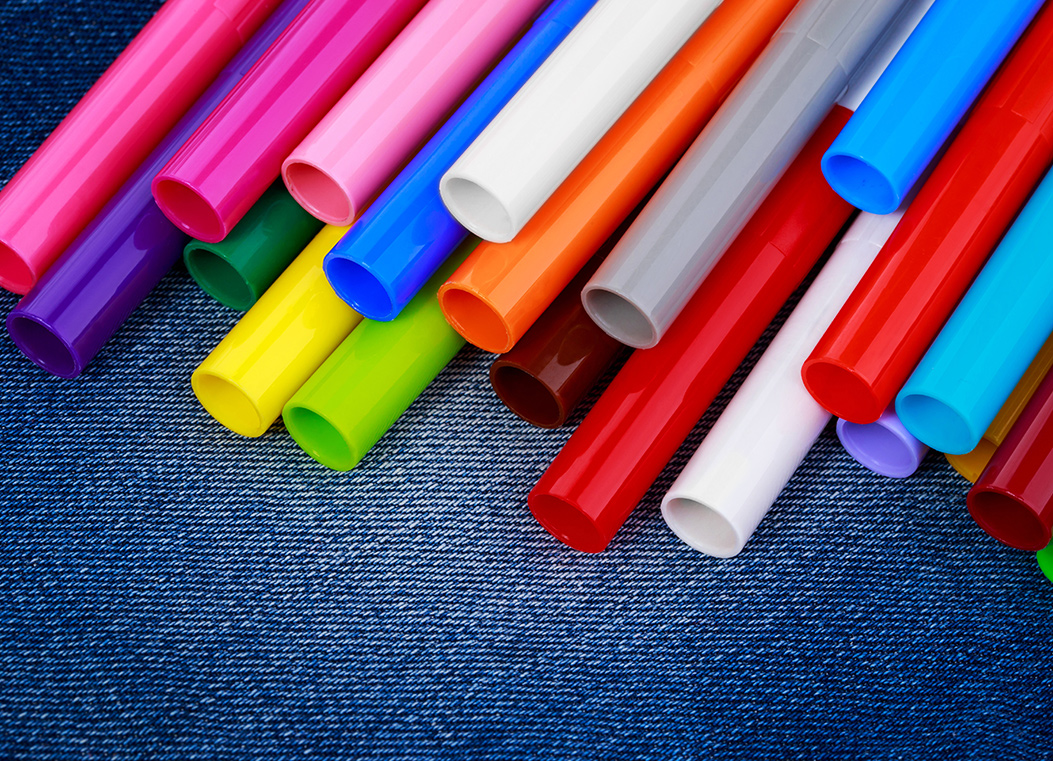







A slight yellow tint in molded plastic parts can gradually affect product appearance and consistency, especially when producing light-colored or transparent components. In practical manufacturing environments, Optical Whitener and Optical Brightener for Plastic are often introduced as processing aids to help adjust visual tone and reduce the perception of yellowing caused by heat exposure, material aging, or formulation variations. Rather than changing the base color directly, these additives work through light interaction, offering a subtle but useful approach to appearance control in injection molding.
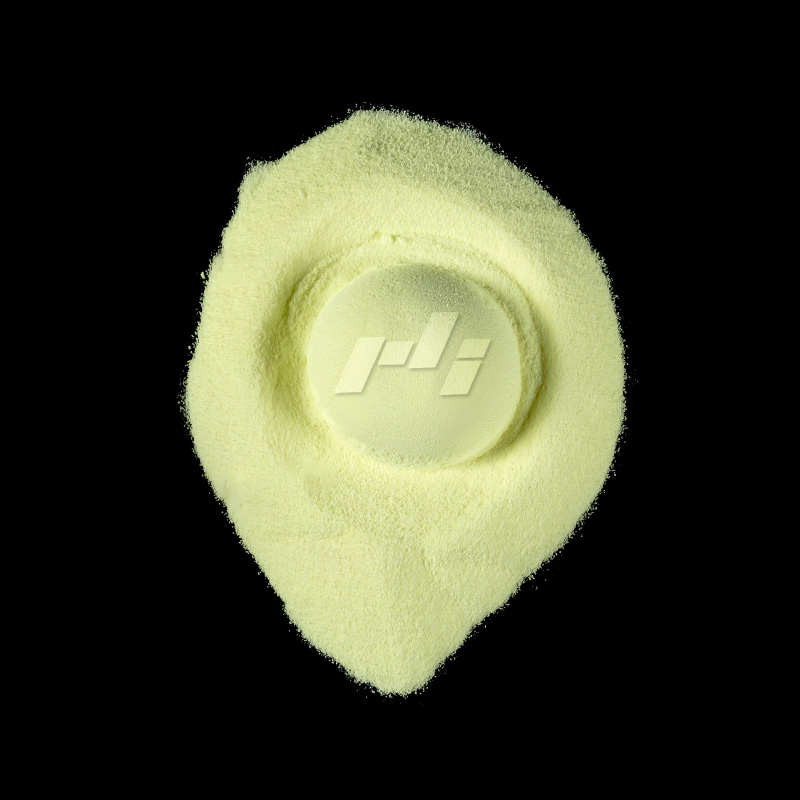
What Causes Yellowing During Injection Molding?
Yellowing in injection molded plastics is usually the result of multiple interacting factors rather than a single cause. Thermal exposure is one of the primary contributors.
Another contributing factor is the presence of impurities or variations in raw materials. Even within the same polymer category, different suppliers or batches may contain trace components that influence color stability. Recycled materials can also introduce inconsistencies, as they may have undergone prior thermal or environmental stress.
Oxidation during processing is another aspect to consider. When polymers are exposed to air at high temperatures, chemical reactions can occur, causing gradual discoloration. Additionally, certain additives such as stabilizers or fillers may interact with heat in ways that affect the final color. Understanding these factors helps explain why yellowing can appear even when processing conditions seem stable.
How Optical Brighteners Help Adjust Yellowing Effects
Optical brighteners function by absorbing ultraviolet light and re-emitting it as visible blue light. This process helps balance the yellow tones that may develop during injection molding, resulting in a more neutral visual appearance.
Because this effect is based on light perception rather than pigment coverage, the adjustment is often subtle and depends on factors such as material thickness, surface finish, and lighting conditions. In thinner or semi-transparent parts, the effect may be more noticeable, while thicker components may require careful dosage control to achieve a similar outcome.
It is also important to recognize that optical brighteners do not eliminate the underlying causes of yellowing, such as thermal degradation or oxidation. Instead, they provide a way to visually compensate for these effects, which can be useful in maintaining consistent appearance across production batches.
Practical Ways to Use Optical Brightener Effectively
When incorporating optical brighteners into injection molding processes, attention to detail can make a noticeable difference in results. The following practical points can guide implementation:
Control the Addition Level
Use measured quantities based on supplier guidance and trial results. Excess amounts may shift the color toward a blue tone rather than neutralizing yellowing.
Ensure Even Distribution
Use masterbatch or pre-mixed formulations to improve dispersion within the polymer matrix and reduce streaking.
Monitor Processing Conditions
Keep temperature and cycle settings consistent to avoid fluctuations that may affect color perception.
Test with Actual Production Materials
Evaluate performance using the same resin and additives planned for full-scale production, including recycled content if applicable.
Check Final Appearance Under Different Lighting
Since optical brighteners rely on UV light, reviewing products under multiple lighting conditions helps ensure acceptable visual results.
These steps can help align the additive's performance with real production requirements.
Differences Between Optical Brighteners and Color Pigments
While both optical brighteners and pigments influence appearance, their mechanisms and applications differ. Pigments provide direct color by reflecting specific wavelengths of light, whereas optical brighteners adjust how light is perceived.
In injection molding, pigments are typically used to establish the base color, while optical brighteners are added in smaller amounts to fine-tune the final appearance. This combination allows manufacturers to address both strong coloration needs and subtle visual adjustments without major formulation changes.
Frequently Asked Questions
- Can optical brightener completely remove yellowing in molded parts?
It does not remove the root causes of yellowing but helps adjust the visual perception, making the color appear more neutral.
- Is it suitable for high-temperature injection molding processes?
Yes, provided that the selected brightener has sufficient thermal stability for the processing conditions.
- How can overdosing be identified?
An excessive amount may result in a visible blue tint, indicating that the addition level should be reduced.
- Does it affect mechanical properties of the plastic?
At typical usage levels, it generally has limited impact, but testing is recommended for critical applications.
- Can it be used with recycled materials?
Yes, and it is often used to help balance color variations found in recycled polymers.
- Why does color appearance vary under different lighting conditions?
Because the effect depends on UV light, differences between natural and artificial lighting can influence how the product looks.