

 EN
EN 中文
中文 ES
ES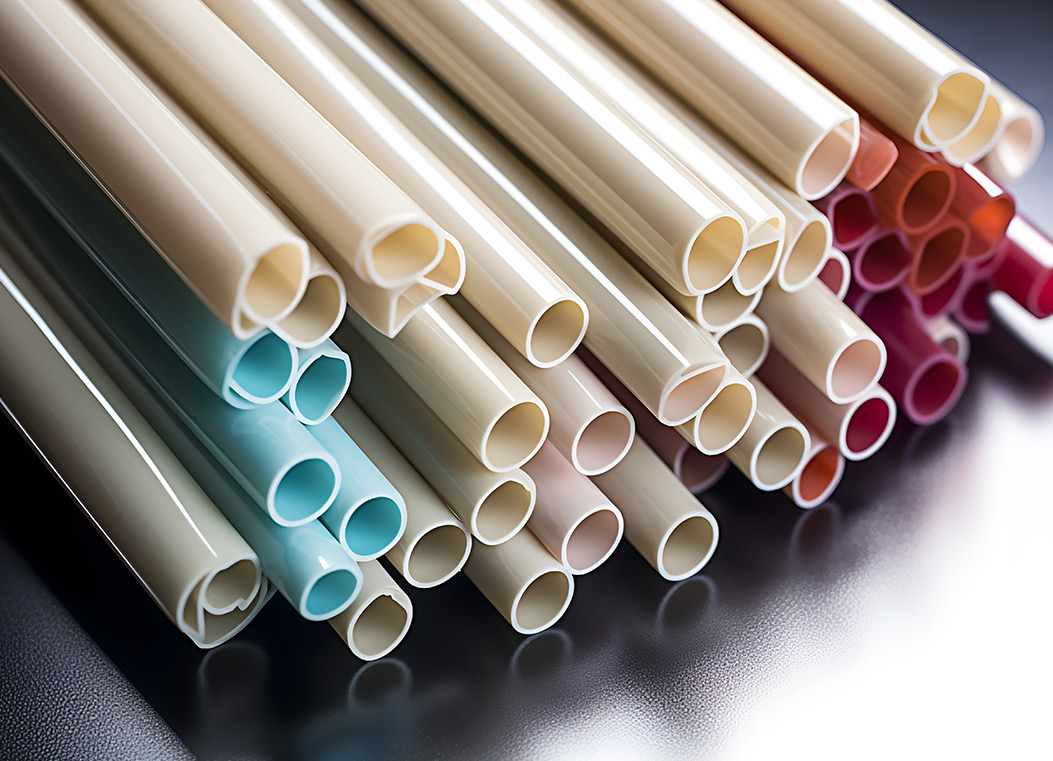


.jpg)







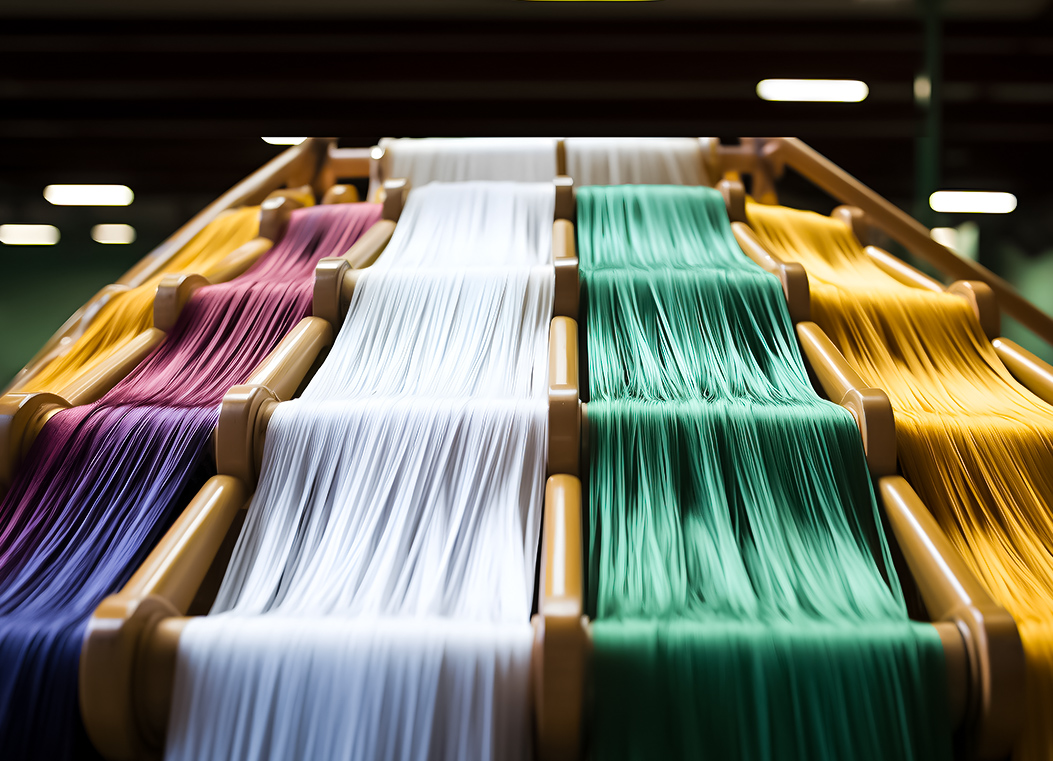
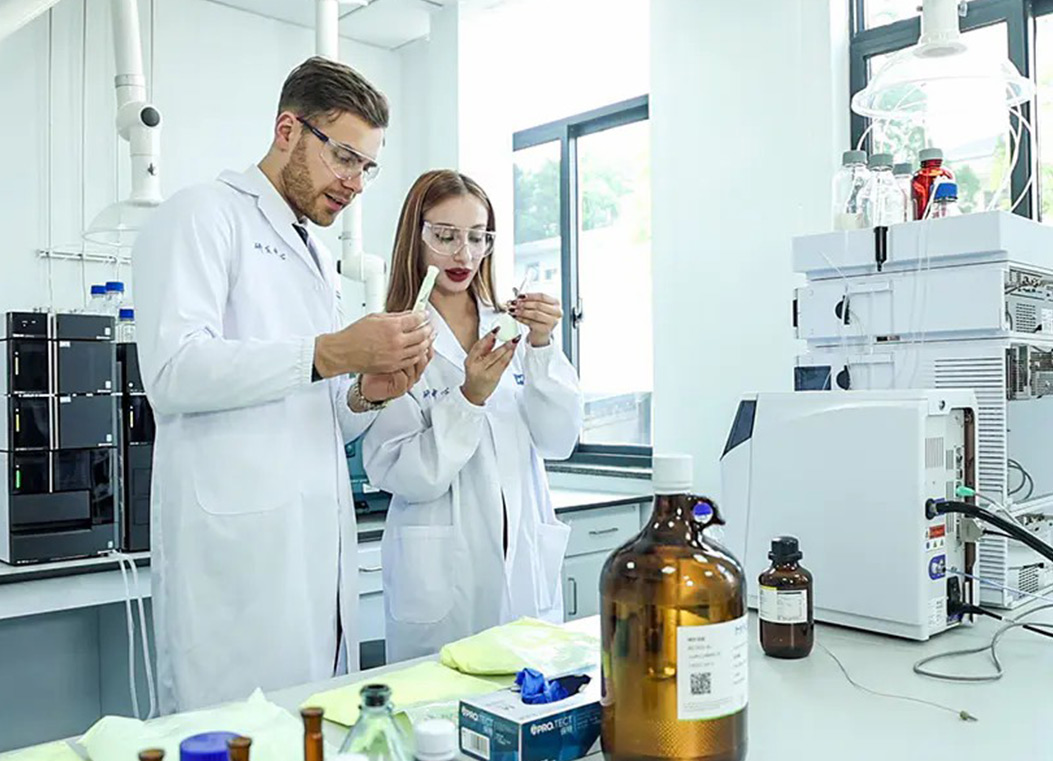
Achieving stable color output across different production batches remains a common concern in plastic manufacturing. Subtle variations in raw materials, processing temperatures, or recycled content can all influence the final appearance. Within this context, Optical Whitener and Optical Brightener for Plastic are often introduced as functional additives to help adjust visual tone and support more consistent color results without significantly altering the base material composition.
Why Color Consistency Matters in Plastic Manufacturing
Color consistency is not only a visual requirement but also a practical factor in product acceptance, especially in industries such as packaging, household goods, and industrial components. When plastic parts show uneven tones or slight yellowing, it may create the impression of inconsistent quality, even if the physical properties remain unchanged.
Variations can arise from multiple sources. Differences in resin batches, exposure to heat during processing, and the use of recycled materials can all introduce slight discoloration. Over time, even small inconsistencies can accumulate, making it more difficult to maintain uniform appearance across production runs. Optical brighteners are used in these situations to help balance these variations by modifying how light is reflected from the material surface, rather than masking the color entirely.
The Working Principle Behind Optical Brighteners
Optical brighteners function through a process known as fluorescence. They absorb ultraviolet light and re-emit it as visible blue light, which offsets yellowish tones commonly found in plastics. This interaction creates a perception of increased brightness and cleaner color without adding visible pigment.
Because this mechanism depends on light interaction, the effectiveness of an optical brightener can vary depending on environmental lighting conditions and the thickness of the plastic material. Thinner films may show a more noticeable effect, while thicker molded parts may require careful dosage adjustment to achieve a similar visual outcome.
Another important aspect is that optical brighteners do not permanently change the base color of the polymer. Instead, they influence how the color is perceived, which is why consistent processing conditions are necessary to maintain stable results.
Selecting the Right Brightener for Different Materials
Choosing an appropriate optical brightener involves evaluating several technical parameters related to both the material and the production process. Different polymers have distinct processing temperatures and chemical characteristics, which affect how the additive performs.
|
Polymer Type |
Processing Temperature Range |
Brightener Consideration |
Common Application |
|
PE |
Low to Medium |
Good dispersion, moderate heat stability |
Films, packaging |
|
PP |
Medium |
Stable under repeated heating cycles |
Household items, containers |
|
PVC |
Medium |
Compatibility with additives |
Pipes, profiles |
|
PET |
High |
High thermal resistance required |
Fibers, bottles |
|
ABS |
Medium to High |
Uniform blending for surface finish |
Appliance housings |
When selecting a brightener, manufacturers often conduct compatibility tests to ensure that the additive disperses evenly and does not interact negatively with other formulation components such as stabilizers, fillers, or colorants.
Practical Considerations for Daily Production Use
Integrating optical brighteners into existing production lines requires attention to both formulation and process control. The following points are commonly considered during implementation:
Accurate Dosage Adjustment
The amount added should be carefully controlled. Insufficient levels may not produce noticeable improvement, while excessive addition can create a bluish appearance.
Uniform Dispersion
Proper mixing methods, such as using masterbatch forms, help distribute the brightener evenly throughout the material.
Processing Temperature Stability
Maintaining consistent temperature settings helps prevent degradation or uneven performance of the additive.
Compatibility with Other Additives
Interaction with pigments, UV stabilizers, or fillers should be evaluated through testing to avoid unexpected color changes.
Trial Production Runs
Small-scale trials provide useful feedback before full-scale implementation, reducing the likelihood of production adjustments later.
Challenges Encountered When Adjusting Color Appearance
Although optical brighteners provide a practical approach to color adjustment, certain challenges may arise during use. One of the more common issues is overdosing, where the material develops a noticeable blue tint instead of a neutral white tone. This typically happens when adjustments are made without incremental testing.
Another challenge involves variations in lighting conditions. Since optical brighteners rely on UV light, their effect may differ under natural sunlight compared to indoor lighting. This can influence how the final product is perceived in different environments.
In addition, processing variables such as cooling rates, mold surface finish, and extrusion speed can subtly affect how light interacts with the plastic surface. As a result, manufacturers often need to consider both formulation and process parameters together when troubleshooting color inconsistencies.
Frequently Asked Questions
- Is optical brightener suitable for recycled plastics?
Yes, it is often used to adjust the color variations found in recycled materials, helping improve uniformity across batches.
- Can it replace pigments entirely?
No, optical brighteners are typically used to complement pigments rather than replace them, as they do not provide strong coloration.
- How is it added during production?
It can be introduced through masterbatch or directly blended with raw materials, depending on the production setup.