

 EN
EN 中文
中文 ES
ES



.jpg)








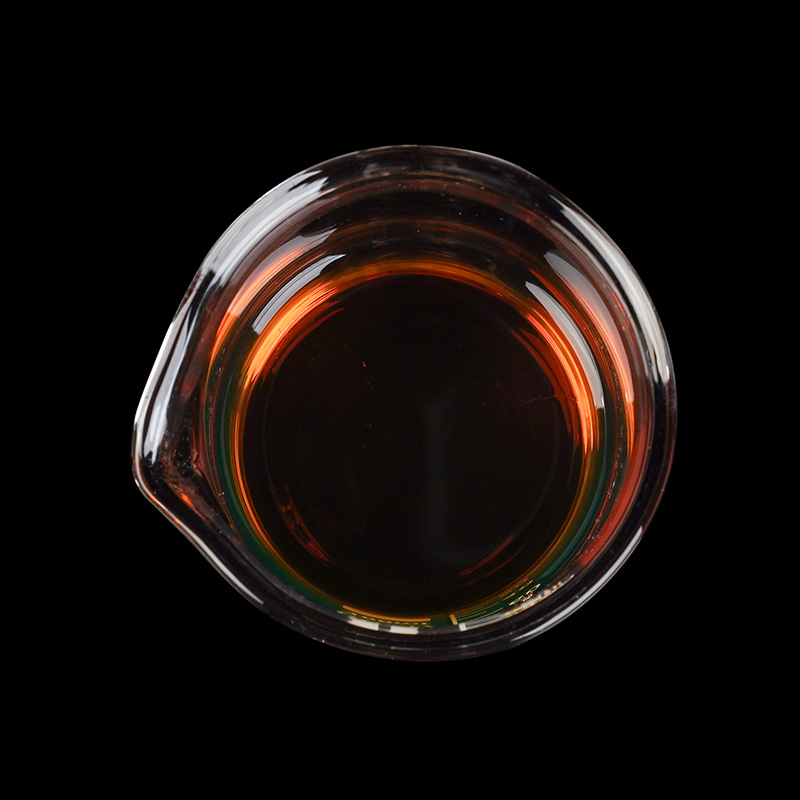
Plastic manufacturing involves a range of challenges that can affect both the appearance and consistency of final products. Fluorescent Brightener and Optical Brightener for Plastic are additives that can address some of these challenges by improving the visual properties of plastics during production. These compounds work by absorbing ultraviolet light and re-emitting it as visible blue light, which helps counteract natural yellowing and uneven coloration that may occur during processing. Their application is relevant across various polymers, including PVC, polystyrene, polyethylene, and polypropylene, offering practical ways to maintain visual consistency in plastic products.
Addressing Yellowing in Heat-Sensitive Plastics
One common issue in plastic manufacturing is yellowing caused by exposure to heat during extrusion, injection molding, or calendaring. This discoloration can make products look inconsistent or less clean, even when raw materials meet quality standards. Optical brighteners for plastic help reduce the visual effect of heat-induced yellowing by producing a balanced white or light-colored appearance.
For materials such as rigid and soft PVC, small amounts of fluorescent brightener added during the mixing or compounding stages can help maintain a consistent shade across batches. In polystyrene and other transparent plastics, these brighteners can also enhance clarity while maintaining a uniform look. By addressing yellowing early in production, manufacturers can reduce visual defects and simplify quality control.
Managing Variations in Raw Materials
Different batches of polymer resins may have slight variations in color or composition, which can cause inconsistencies in the appearance of finished products. Fluorescent brighteners can compensate for these variations, ensuring that the brightness and whiteness of plastic products remain stable. This is particularly important for applications where visual appearance is a key factor, such as packaging, household items, and consumer electronics.
By providing a consistent visual baseline, optical brighteners for plastic make it easier to maintain product standards without requiring frequent adjustments to processing parameters or formulation. They allow manufacturers to produce materials with uniform appearance even when using different suppliers or raw material lots.
Reducing the Impact of UV and Light Exposure
Plastics that are exposed to sunlight or artificial light during storage and use may experience color changes, including yellowing or fading. While dedicated UV stabilizers are typically used for protection, fluorescent brighteners can complement these additives by maintaining the perceived whiteness of materials. By counteracting minor discoloration caused by light exposure, these brighteners help preserve the visual quality of products over time.
This is especially relevant for outdoor applications or products stored for extended periods before reaching the end user. Using fluorescent brighteners allows manufacturers to maintain a consistent appearance while keeping processing and storage considerations manageable.
Supporting Processing Consistency
Plastic manufacturing often involves high-temperature operations, multiple additives, and various processing methods. Fluorescent brighteners are designed to maintain their performance under these conditions, ensuring that the whitening effect remains consistent throughout production. They are compatible with stabilizers, plasticizers, colorants, and other additives, allowing for predictable results across different formulations.
Low dosage requirements make fluorescent brighteners practical for high-volume production. Even at small concentrations, they can noticeably improve brightness and whiteness, helping maintain visual standards without affecting other material properties.
Addressing Product Appearance in Blended Materials
Blended plastics, which combine different polymers or recycled content, often present additional challenges in maintaining uniform appearance. Variations in thermal behavior or color can create uneven whitening or a mottled look. Fluorescent brighteners can help achieve a more consistent appearance by balancing these variations, producing a uniform shade that is easier to control and replicate.
This contributes to more predictable visual outcomes and supports quality standards across complex formulations.
Practical Application and Efficiency
Typical usage levels of fluorescent brighteners range from 0.01% to 0.06% by weight, depending on the type of plastic and the desired visual effect. Small amounts can provide noticeable improvement in brightness and whiteness, making them cost-effective in terms of material usage. Uniform dispersion during mixing is important to avoid localized differences in appearance, ensuring that the additive performs consistently across the entire batch.
Fluorescent brighteners can be used alone or in combination with other whitening agents, depending on the target appearance. Their versatility allows manufacturers to adjust formulations for different products, processing methods, or visual requirements without extensive reconfiguration of production lines.