

 EN
EN 中文
中文 ES
ES


.jpg)


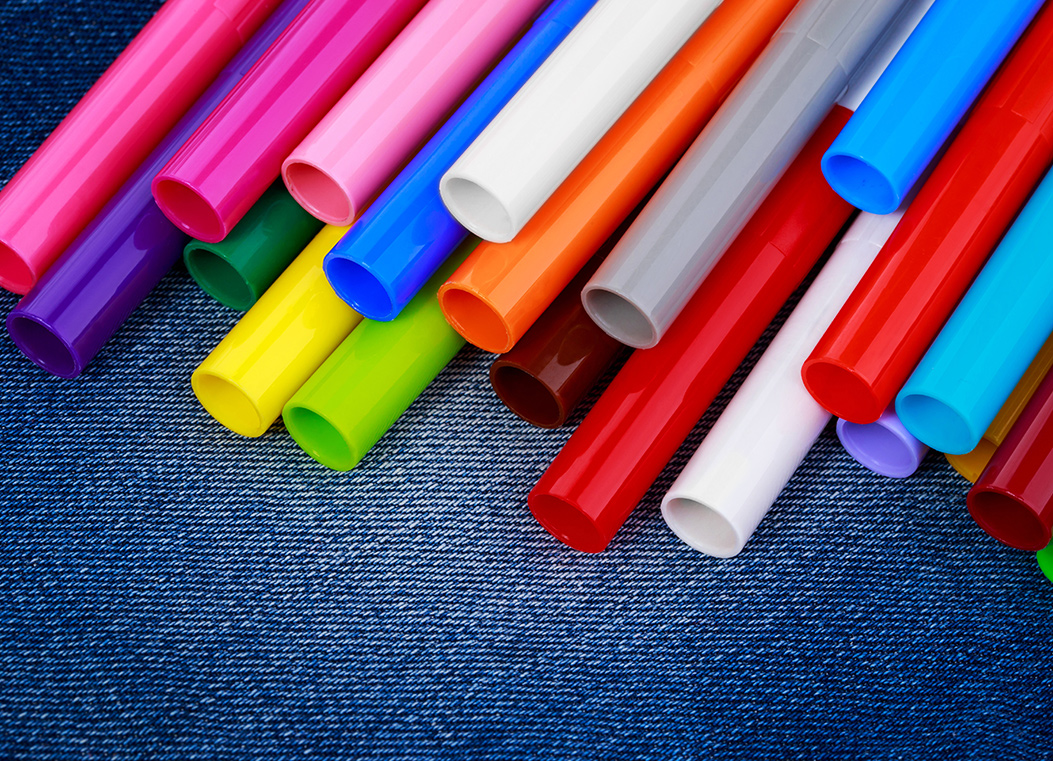
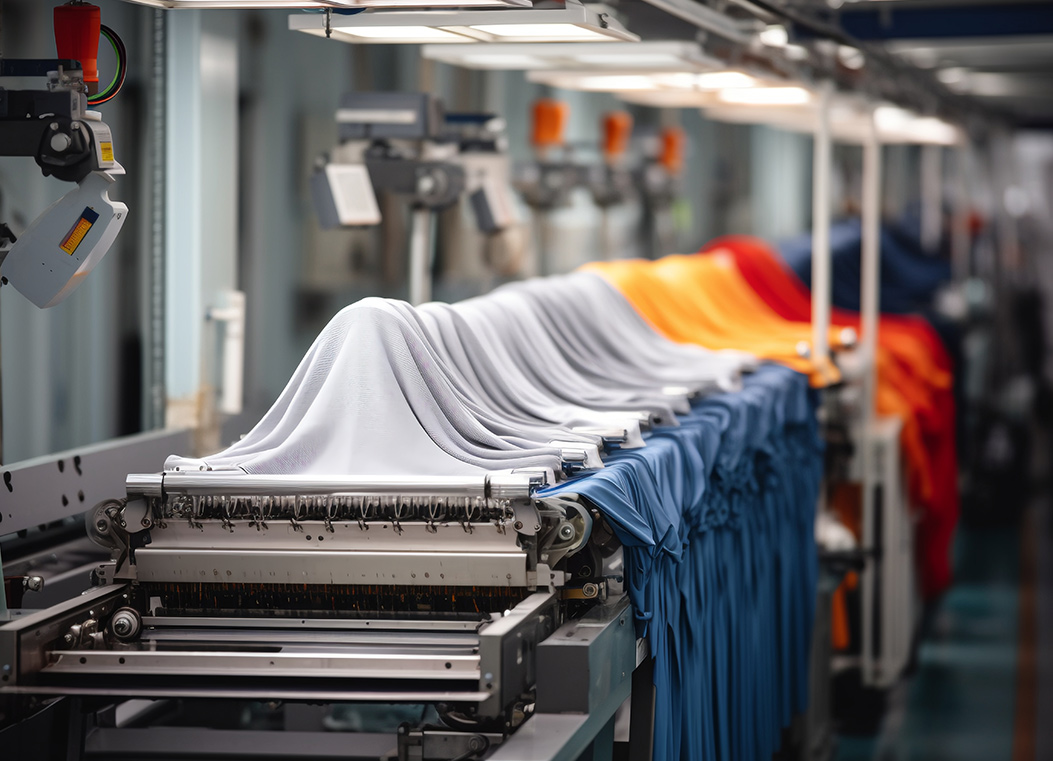






When working with plastics that undergo high-temperature processing, maintaining consistent color and appearance can be a challenge. Fluorescent Brightener and Optical Brightener for Plastic are widely used additives that help address these issues by enhancing the whiteness and brightness of materials. These brightening agents absorb ultraviolet light and re-emit it as visible light, which compensates for natural yellowing that can occur during heat exposure. By using them, manufacturers can maintain visual uniformity and prevent uneven coloration in products that are subject to elevated temperatures.
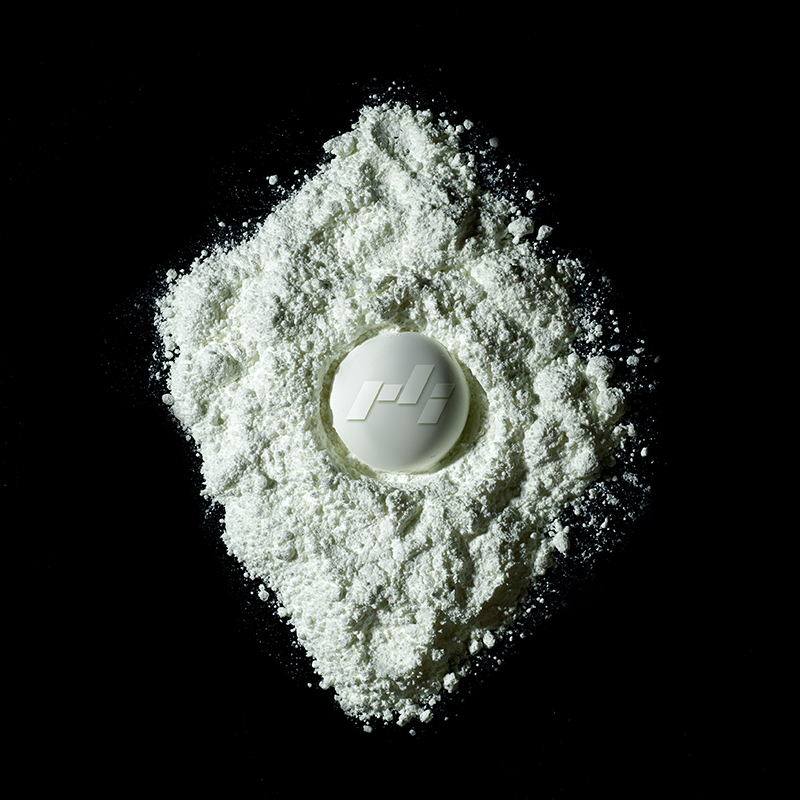
Maintaining Visual Consistency in Heat-Exposed Plastics
Plastics such as PVC, polystyrene, and certain polyester blends are sensitive to high temperatures during extrusion, injection molding, or calendaring. Heat can cause slight yellowing or discoloration, which may affect the appearance of consumer products. Optical brighteners for plastic provide a straightforward way to offset these changes by introducing a subtle blue fluorescence that neutralizes yellow tones. As a result, products retain a cleaner and more uniform appearance across multiple production runs.
For blended plastics, where different polymers are combined, the use of fluorescent brighteners ensures that the overall color remains balanced despite variations in thermal behavior among components. This can simplify quality control, reduce visual inconsistencies, and help products meet aesthetic standards that are expected in both consumer and industrial applications.
Stability Under Thermal Conditions
One of the practical considerations in high-heat applications is the thermal stability of additives. Fluorescent brighteners are formulated to maintain their performance during prolonged exposure to elevated temperatures. This includes processes where plastics are melted, extruded, or molded under heat. The stability of these brighteners allows manufacturers to introduce them early in the production process without worrying about degradation or uneven distribution that could affect the final appearance of the product.
Additionally, these brighteners can remain stable when combined with other commonly used additives, such as stabilizers, colorants, or plasticizers. This compatibility is important for complex formulations where multiple additives must work together without interfering with each other’s function. By providing consistent visual results even in challenging processing conditions, optical brighteners help streamline production and reduce the need for post-processing adjustments.
Effect on Material Efficiency and Processing
Using fluorescent brighteners does not require large quantities to achieve noticeable visual improvement. Low concentrations are typically sufficient to produce a consistent whitening effect, which helps control material costs. This efficiency is particularly valuable in high-volume production where small adjustments can have a significant impact on overall manufacturing costs.
Because these brighteners can be incorporated during the standard mixing or compounding stages, they do not add extra steps or require significant changes to existing processing methods. This allows manufacturers to maintain production efficiency while ensuring that the final products meet visual expectations.
Contribution to Product Longevity and Appearance
While optical brighteners are primarily used to adjust color and whiteness, they can also contribute to maintaining the appearance of plastics over time. Some brighteners help reduce the visual impact of minor UV exposure, which can cause gradual yellowing in certain plastics. In combination with other protective additives, fluorescent brighteners support the long-term stability of product appearance, helping maintain uniformity during storage, transport, and use.
This is particularly relevant for products exposed to sunlight or high-temperature environments, such as outdoor fixtures, automotive components, or packaging materials. By managing color consistency and subtle yellowing, manufacturers can offer products that retain a visually consistent look without frequent inspection or adjustment.
Flexibility Across Different Plastics
Fluorescent brighteners and optical brighteners for plastic can be applied to a variety of polymers, including PVC, polystyrene, polyethylene, polypropylene, and polyester-based materials. They are effective whether used alone or combined with other whitening agents, allowing manufacturers to adjust their formulations according to specific product requirements. This versatility ensures that different product lines can achieve similar visual results, even when the underlying materials differ in thermal response or composition.
The brighteners are also compatible with different processing techniques, including extrusion, injection molding, and calendaring. By introducing the brightener at the appropriate stage, manufacturers can achieve uniform dispersion and consistent brightness throughout the material.
Practical Considerations for Use
Typical usage levels of fluorescent brighteners range from 0.01% to 0.06% by weight for whitening purposes, with smaller amounts used for minor color correction or anti-reflection purposes. Even at these low concentrations, the additive can reduce visible yellowing and maintain a cleaner white appearance. It is important to ensure uniform mixing to prevent local concentration differences, which could create uneven visual effects.