

 EN
EN 中文
中文 ES
ES



.jpg)








Maintaining the visual brightness of textiles often requires careful attention to washing procedures. Among the various laundry additives, Fluorescent Whitening Agents FP-127 and Fluorescent Whitener are commonly used to support consistent fabric appearance over repeated washes. Knowing the right moment to add these agents in the washing process can help prevent uneven distribution, avoid chemical waste, and support fabric care routines effectively.
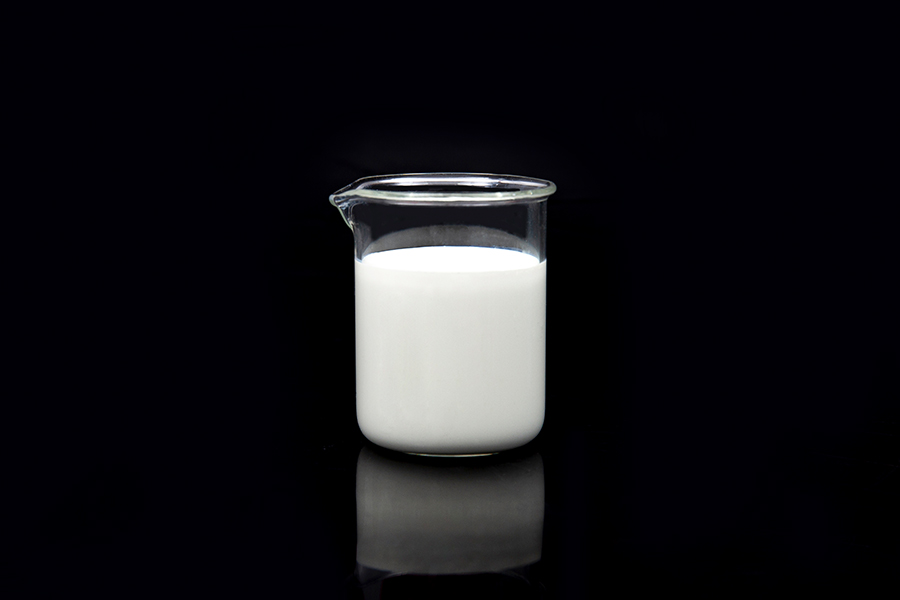
Key Moments to Incorporate Fluorescent Whitener
The timing of introducing a fluorescent whitener is crucial. Typically, it should be added after the primary wash cycle, once soil and detergent residues have been removed, but before the final rinse. This allows the whitening agent to interact directly with the fibers rather than being washed away. In practice, some points to consider include:
- Add the agent into water that is within the recommended temperature range for the product, ensuring proper dispersion.
- Avoid adding the whitener during the pre-wash stage, as detergents in this stage may interfere with the attachment to fibers.
- Light agitation helps distribute the agent evenly across the textiles, reducing the risk of streaks or concentrated spots.
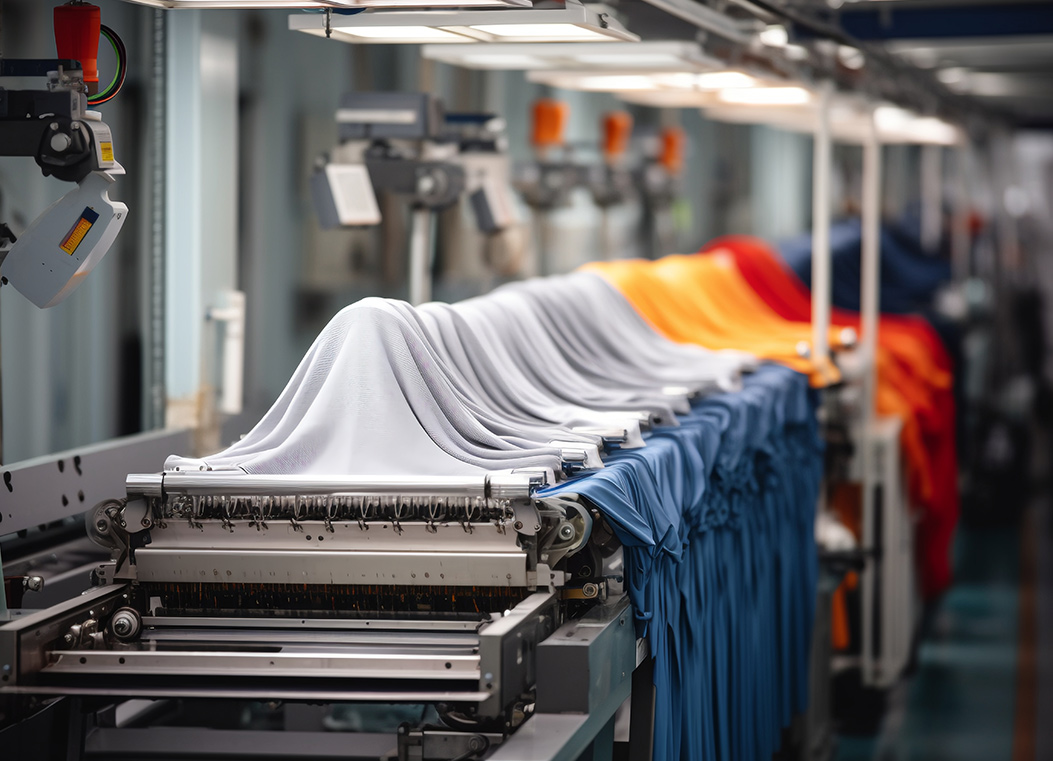
- In industrial washing systems, controlled injection of the agent into rinse tanks can provide consistent results across large volumes.
How Fluorescent Whitener Interacts with Fabrics
Fluorescent whitening agents work by absorbing ultraviolet light and emitting visible blue light, which counteracts yellowing and creates an appearance of brightness. The interaction with fabrics depends on fiber type, surface characteristics, and water quality. Natural fibers like cotton or linen tend to absorb and retain these agents more readily than some synthetic fibers. Polyester and nylon, for instance, may require longer contact time or slight adjustment in dosing to achieve uniform appearance.
Water hardness also influences performance. Hard water with high calcium or magnesium content can reduce adherence of whitening agents, making softening or water treatment steps useful before adding the whitener. In addition, overloading washing machines can prevent uniform contact, resulting in uneven brightness. Users should consider load distribution and machine capacity to ensure all fabrics are exposed adequately.
Adjusting Concentration for Different Fabric Types
Fabric type and color affect the quantity of fluorescent whitener needed. White and light-colored textiles usually show the effect more clearly, while dark or patterned fabrics may display subtle or no visible change. Some practical suggestions include:
- Begin with manufacturer-recommended dosage and adjust gradually for specific textile blends.
- For mixed fabric loads, consider using the concentration suitable for the absorbent fabric to prevent uneven effects.
- Conduct small test washes before applying to full loads, especially for delicate or specialty fabrics, to avoid potential discoloration or unevenness.
- Keep in mind that repeated use over multiple wash cycles may gradually enhance overall brightness, but sudden high concentrations are unnecessary.
Practical Tips for Consistent Results
Ensuring consistent results involves more than just timing and concentration. Users can apply a few practical measures:
Always dilute the fluorescent whitener in water before introducing it to the fabrics to reduce risk of streaking.
Ensure thorough mixing in both domestic and industrial machines to allow even contact with fibers.
Do not add whitener directly onto fabrics or detergent piles; this can create concentrated areas that are difficult to remove.
Monitor water temperature and pH levels, as some conditions may affect stability of the whitening agent.
In multi-stage washing systems, coordinate with rinse cycles to maintain even coverage and avoid premature removal of the agent.
Maintaining Long-Term Fabric Appearance
Regular incorporation of fluorescent whiteners can support gradual maintenance of brightness in fabrics. By observing appropriate dosing, timing, and machine settings, users can reduce visible yellowing and maintain a consistent look over repeated washes. For fabrics frequently exposed to sunlight or high-temperature drying, additional monitoring may be required to assess any reduction in effectiveness. Over time, establishing a routine that integrates the whitening agent at the proper stage in the wash can contribute to a more uniform appearance, without interfering with detergents or other additives.
Through understanding fiber characteristics, water conditions, and washing sequence, users can make informed decisions about when and how to use Fluorescent Whitening Agents FP-127 and other similar products. Attention to these details ensures that textiles maintain a consistent look, reduces chemical waste, and supports more predictable results in both household and industrial laundry environments.