

 EN
EN 中文
中文 ES
ES



.jpg)








Maintaining fabric appearance during washing requires attention to several factors beyond regular detergent use. Fluorescent Whitening Agents FP-127 and Fluorescent Whitener are widely used additives that support a consistent brightness in textiles across multiple wash cycles. These agents are designed to interact with fibers in a way that offsets minor yellowing and helps fabrics maintain a more uniform appearance. Understanding when and how to incorporate these agents is essential for achieving practical results in both household and industrial laundry routines.
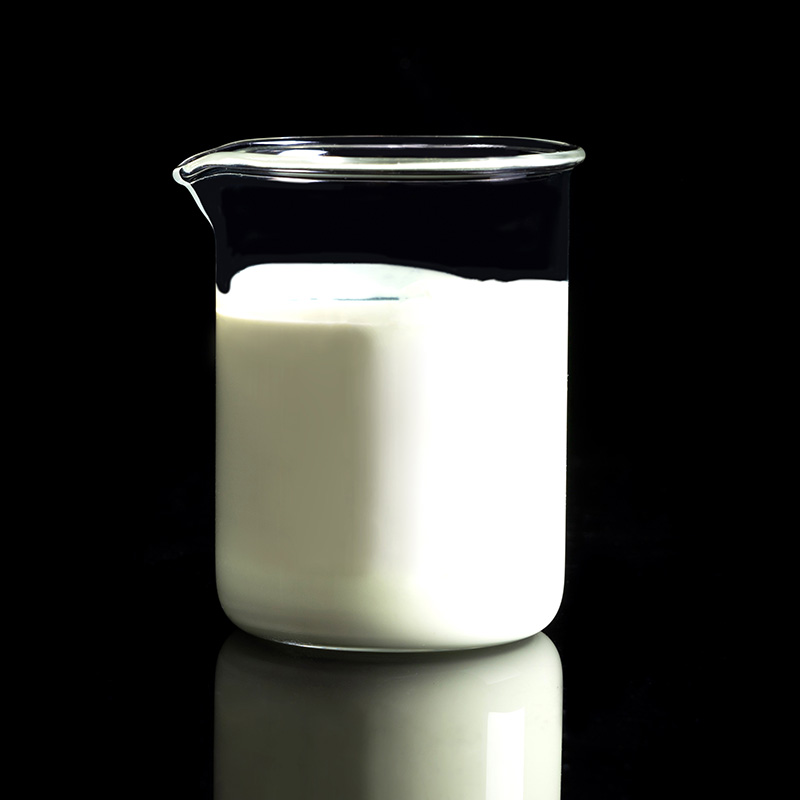
The Role of Fluorescent Whitener
Fluorescent whiteners function by absorbing ultraviolet light and re-emitting it as visible blue light, which counteracts yellowish tones in fabrics. Their effect depends on several factors, including fabric type, water quality, washing sequence, and even drying methods. Natural fibers, such as cotton and linen, tend to absorb and retain these agents more readily than synthetic fibers like polyester or nylon, which may require slightly adjusted dosing or longer contact periods.
Water conditions play a notable role as well. Hard water, containing high levels of calcium or magnesium, can reduce the adherence of fluorescent whiteners to fibers. Maintaining moderate water hardness through softening or pre-treatment can help achieve more uniform brightness. In addition, washing machine load size and distribution affect contact efficiency; overloading machines can prevent even exposure and result in uneven appearance.
Key Moments for Adding Fluorescent Whitener
The timing of addition is important to ensure the agent interacts appropriately with fabrics. Typically, fluorescent whiteners are added after the main wash cycle has removed dirt and detergent residues, but before the final rinse. This timing allows the agent to adhere to fibers rather than being washed away. Practical points for implementation include:
- Dissolve the whitener in water prior to adding textiles, reducing the risk of concentrated streaks.
- Use moderate agitation to help distribute the agent evenly across the load.
- Avoid adding the whitener directly during pre-wash or main wash cycles, as strong detergents can interfere with binding.
- In industrial systems, controlled dosing and injection into rinse tanks can support even contact across large volumes.
- Monitor water temperature and pH levels, keeping them within the recommended range to maintain stability.
Practical Guidelines for Application
To support consistent results, users can follow several practical measures:
- Measure the amount of agent according to load size rather than estimating by eye.
- Introduce the whitener gradually into circulating water rather than directly on fabrics.
- Ensure fabrics are sufficiently spread out in the machine to allow uniform contact.
- Consider small test washes when introducing new textiles or blends to adjust concentration appropriately.
- Avoid combining the whitener with incompatible additives or high-concentration detergents in a single stage.
These steps help ensure that fabrics receive even exposure to the agent, reduce chemical waste, and prevent visible streaks or spots. Proper incorporation also allows fabrics to maintain appearance over repeated washing cycles without the need for excessive dosing.
Adapting to Different Fabrics and Colors
Different fibers and colors respond differently to fluorescent whitening agents. Light-colored fabrics generally display clearer changes in brightness, while darker or patterned fabrics may only show subtle effects. Cotton, linen, and other natural fibers tend to retain these agents better, whereas synthetic materials or blends may require slightly adjusted dosing or longer exposure. Gradual adaptation over repeated washes can enhance consistency without leaving residue.
For mixed-fabric loads, consider the fiber that is absorbent or sensitive when setting the concentration. This ensures that all items in the load maintain a relatively even appearance. Fabrics exposed to sunlight, high temperatures, or frequent drying may also need attention, as these conditions can influence the perceived brightness over time.
Maintaining Consistent Appearance Over Time
Integrating fluorescent whiteners into regular laundry routines supports gradual maintenance of fabric appearance. Consistency in timing, concentration, and washing sequences contributes to even contact and predictable outcomes. Awareness of fabric characteristics, water conditions, and drying methods helps users adjust the routine as needed.