

 EN
EN 中文
中文 ES
ES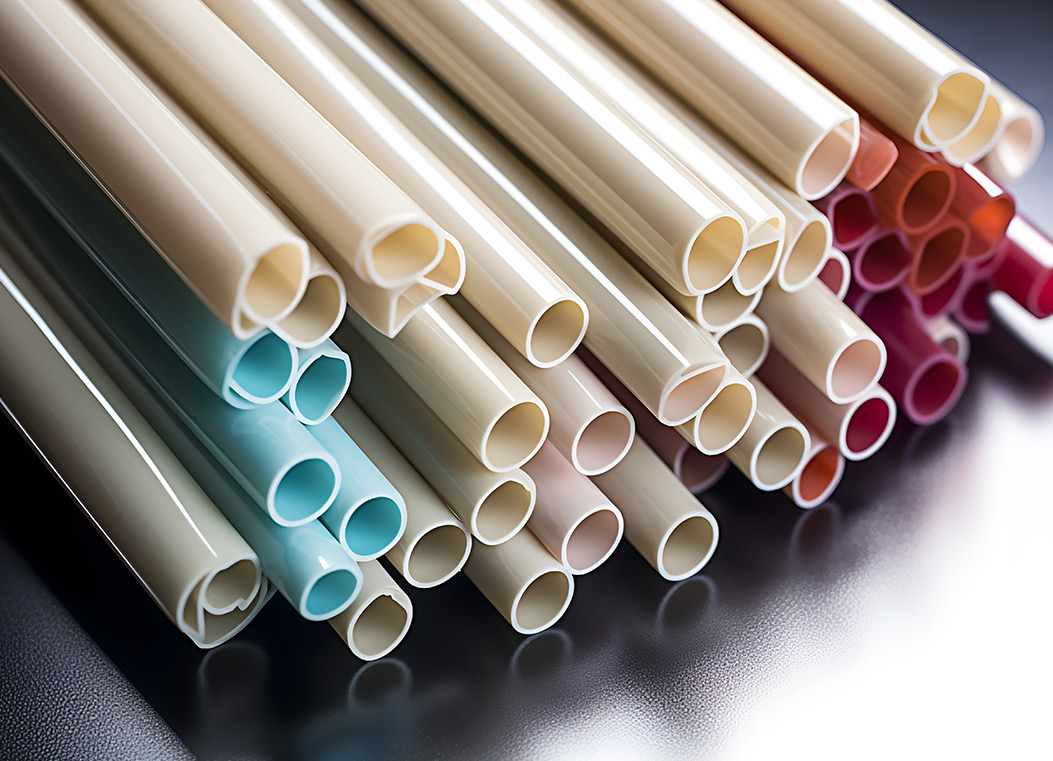


.jpg)

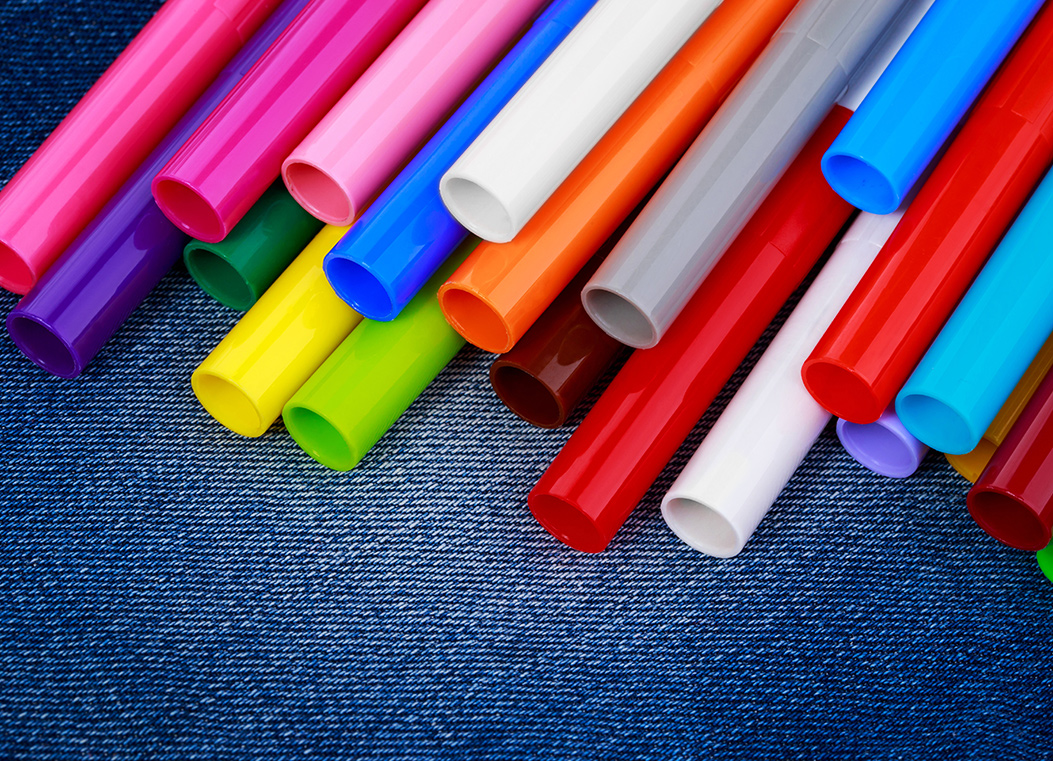
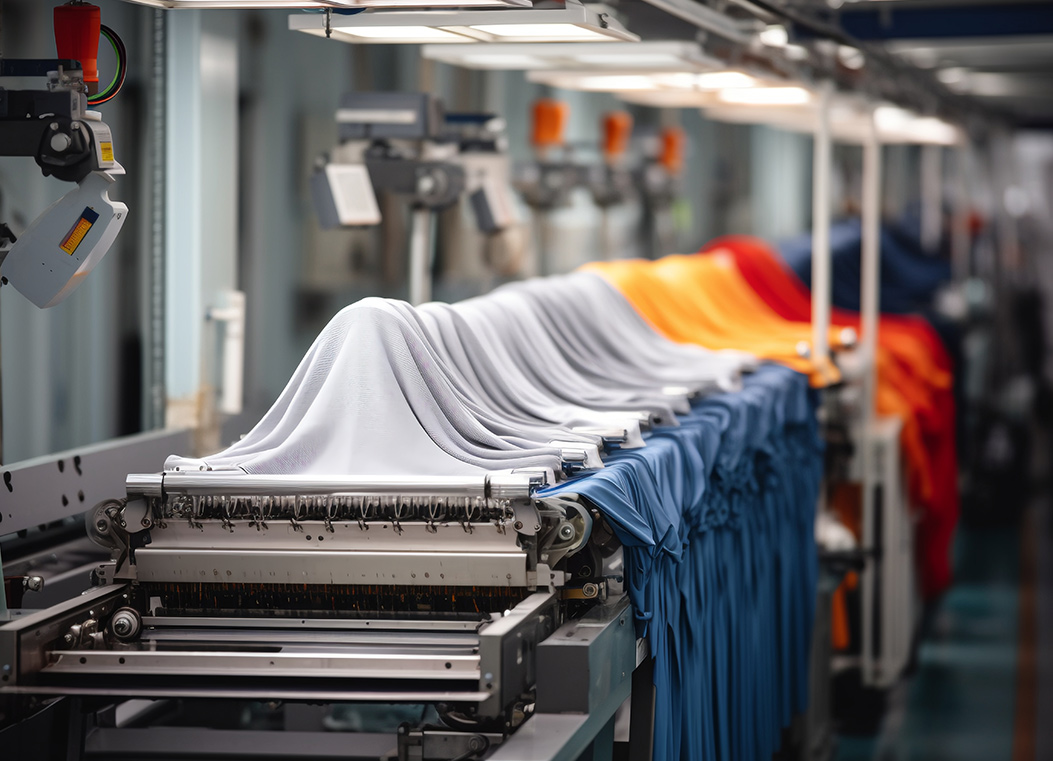






Managing the visual brightness of materials requires careful selection of additives. Fluorescent Whitening Agent and Optical Brightener OB-1 are commonly used in both textile and plastic applications to maintain uniform whiteness. OB-1, a light yellow powder, can be incorporated in different production processes, offering consistent brightness without significant changes to standard workflows.
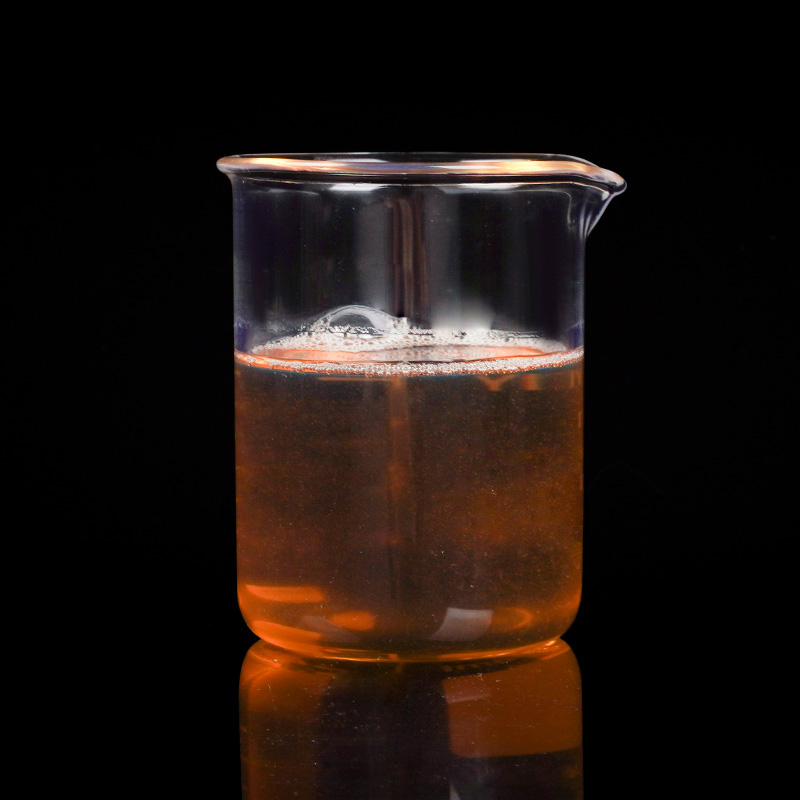
Application in Polyester and Blended Fibers
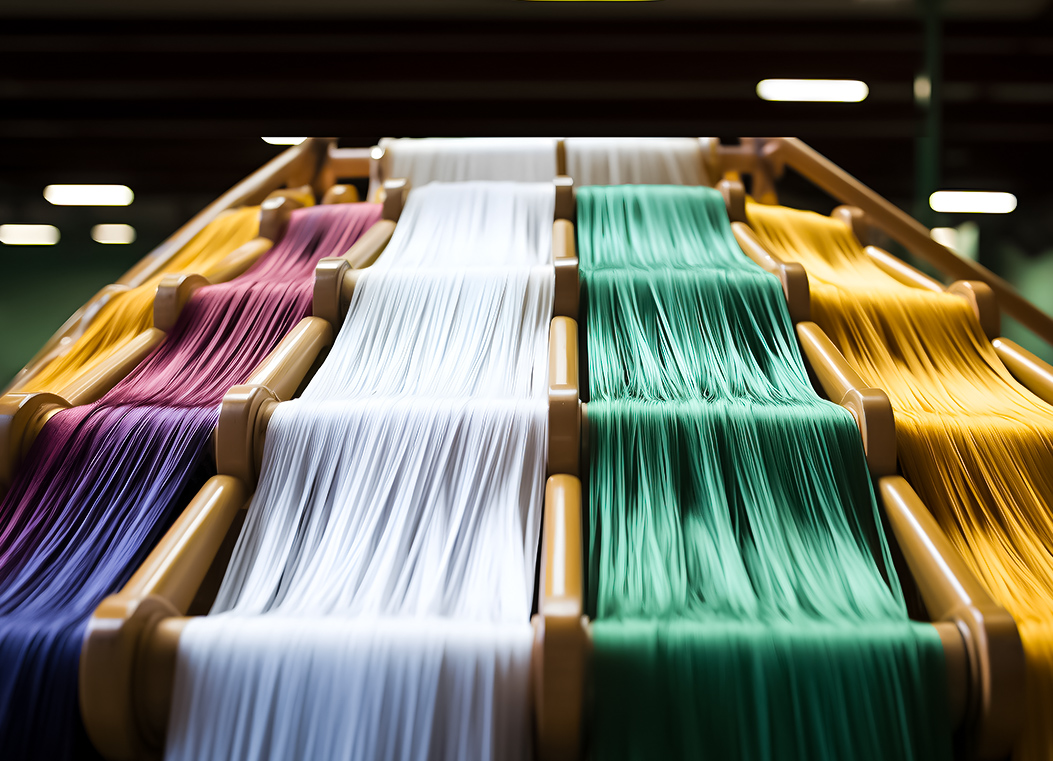
Textiles such as polyester fibers and blended fabrics benefit from the addition of Optical Brightener OB-1. When applied to polyester, OB-1 helps maintain an even white appearance during processing steps that involve heat and finishing treatments. In blended fabrics, where polyester may be combined with cotton, rayon, or other fibers, OB-1 provides a consistent brightening effect across different material types. This reduces the need for multiple additive types and simplifies
Use in PVC and Polystyrene Products
In the plastic industry, OB-1 is suitable for rigid and soft PVC as well as polystyrene (PS). In PVC, it contributes to a more visually uniform white surface, supporting both aesthetic and functional requirements. For polystyrene products, OB-1 can improve transparency and visual clarity without interfering with the base properties of the material. Careful dosing ensures that the additive is effective while remaining compatible with other components in the production process.
Integration in Polyester Coatings
Polyester coatings can also benefit from Optical Brightener OB-1. Adding OB-1 at the formulation stage helps maintain a consistent white appearance in the final product. Its stability under heat and exposure to chemicals ensures that the coating retains its appearance throughout processing and initial handling. Proper dispersion of OB-1 in the coating matrix is recommended to avoid uneven areas and maintain uniformity.
Considerations for Dosage and Handling
To achieve uniform results, the recommended dosage should be followed carefully. For rigid PVC, a typical whitening range is 0.01–0.06%, while polystyrene often requires 0.01–0.05%. Anti-reflection applications use lower amounts, usually 0.0001–0.001%. The additive can be used alone or combined with other fluorescent whitening agents, providing flexibility based on the material and processing conditions. Ensuring proper dispersion in liquids or resins before application can support more consistent distribution and prevent localized brightening differences.
Stability in Different Environments
Optical Brightener OB-1 maintains performance under various environmental conditions. It is resistant to light exposure, high temperature, and chlorine bleaching, making it suitable for materials that may undergo multiple finishing or cleaning steps. This stability contributes to more predictable outcomes in production and reduces the likelihood of uneven color changes over time.
Practical Benefits in Production
Incorporating OB-1 in textile and plastic workflows allows manufacturers to maintain brightness while using manageable amounts of additive. Its compatibility with multiple substrates and flexible dosing reduces the need for frequent adjustments in production. By following recommended handling and application practices, manufacturers can integrate OB-1 smoothly into their standard processes, supporting consistent appearance across different materials.
Key Features for Material Processing
Optical Brightener OB-1 is a versatile additive that supports uniform whiteness in fibers, blended fabrics, plastics, and coatings. Its light yellow powder form is easy to handle, while its stability under heat, light, and chemical exposure provides predictable results. Using the additive according to recommended concentrations ensures a balanced approach to brightening without significant changes to production methods.