

 EN
EN 中文
中文 ES
ES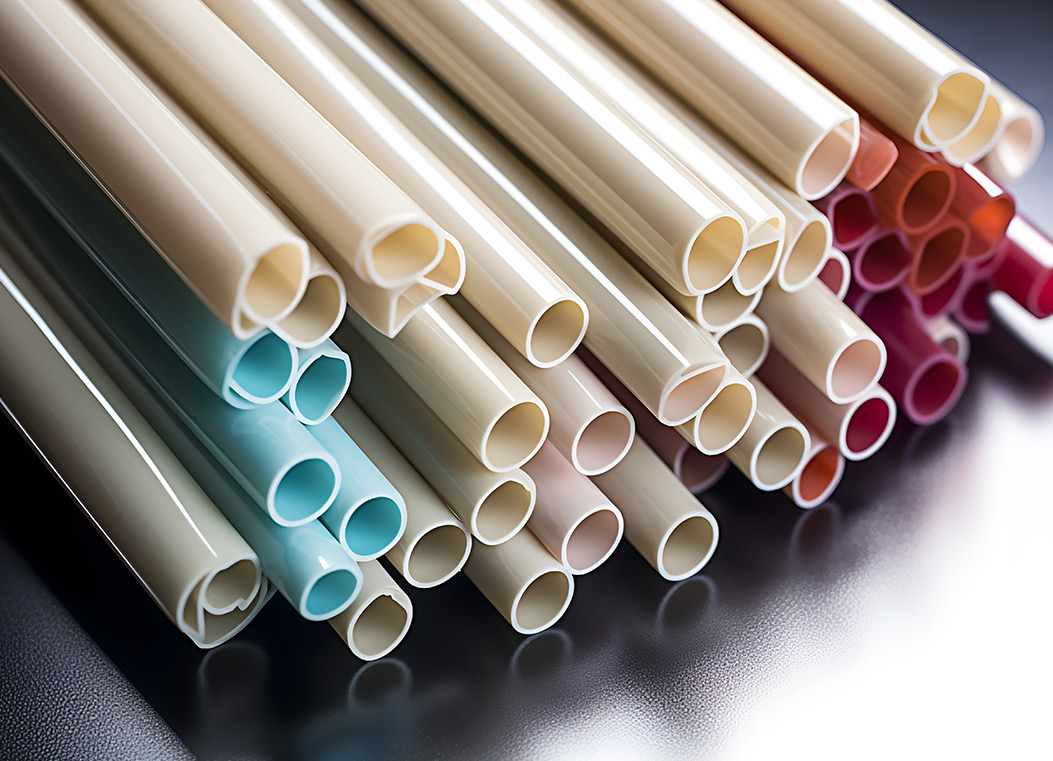


.jpg)






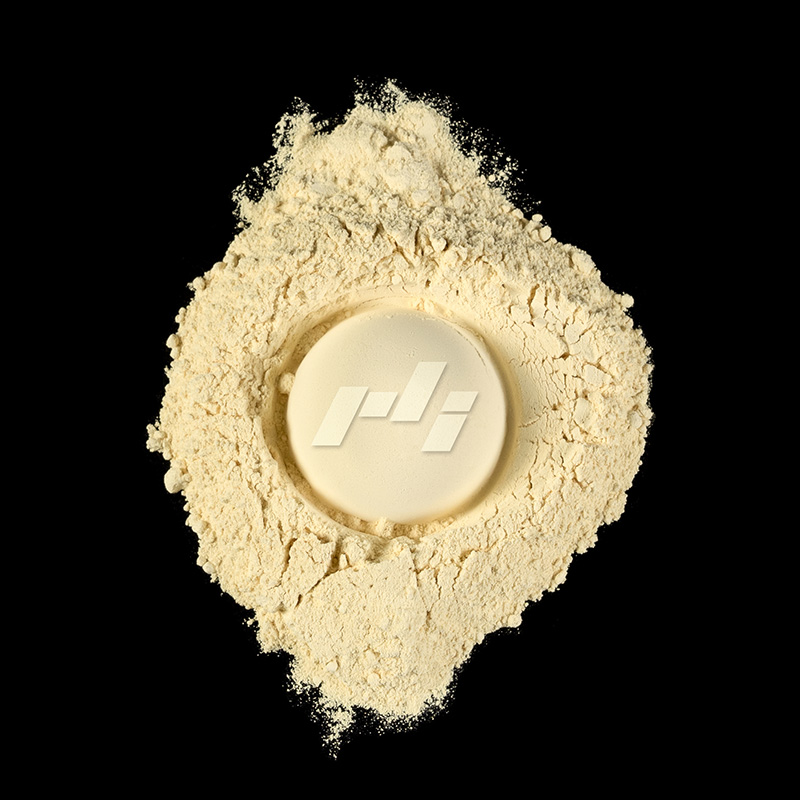
Maintaining a consistent and visually appealing appearance in textiles and plastics requires careful selection of additives. Fluorescent Whitening Agent and Optical Brightener OB-1 are widely used to improve the brightness and uniformity of various materials. OB-1, appearing as a light yellow powder, can be incorporated into production processes to help materials maintain a more consistent visual quality throughout manufacturing and usage.
Application in Polyester Fibers
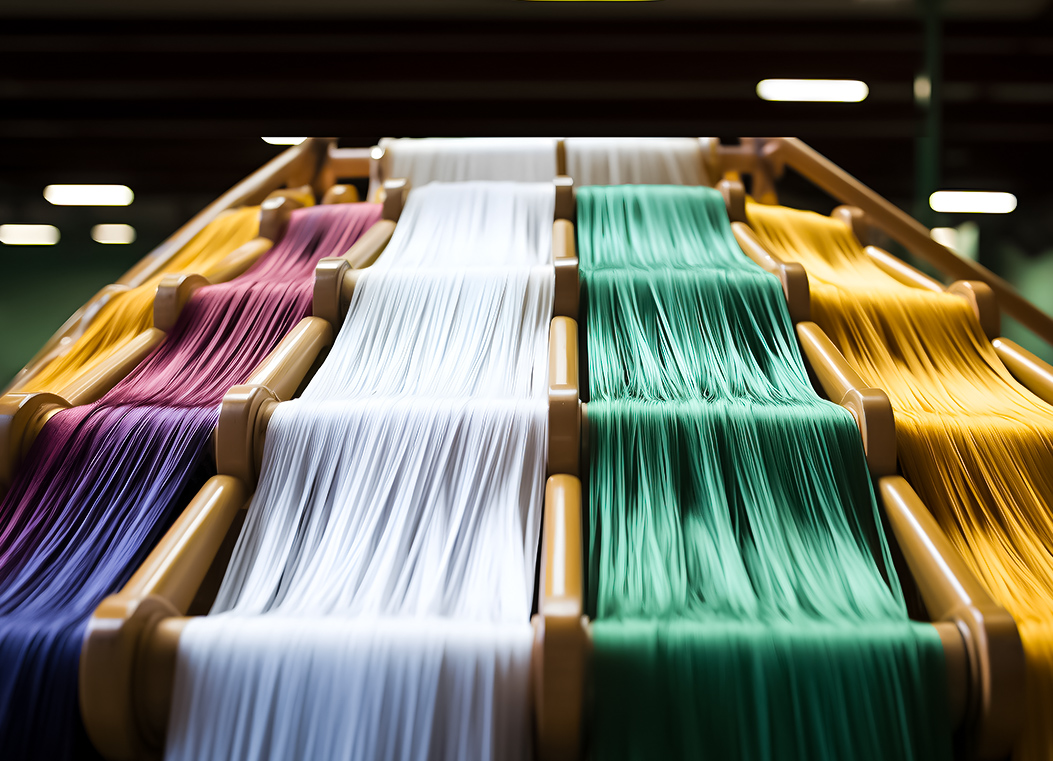
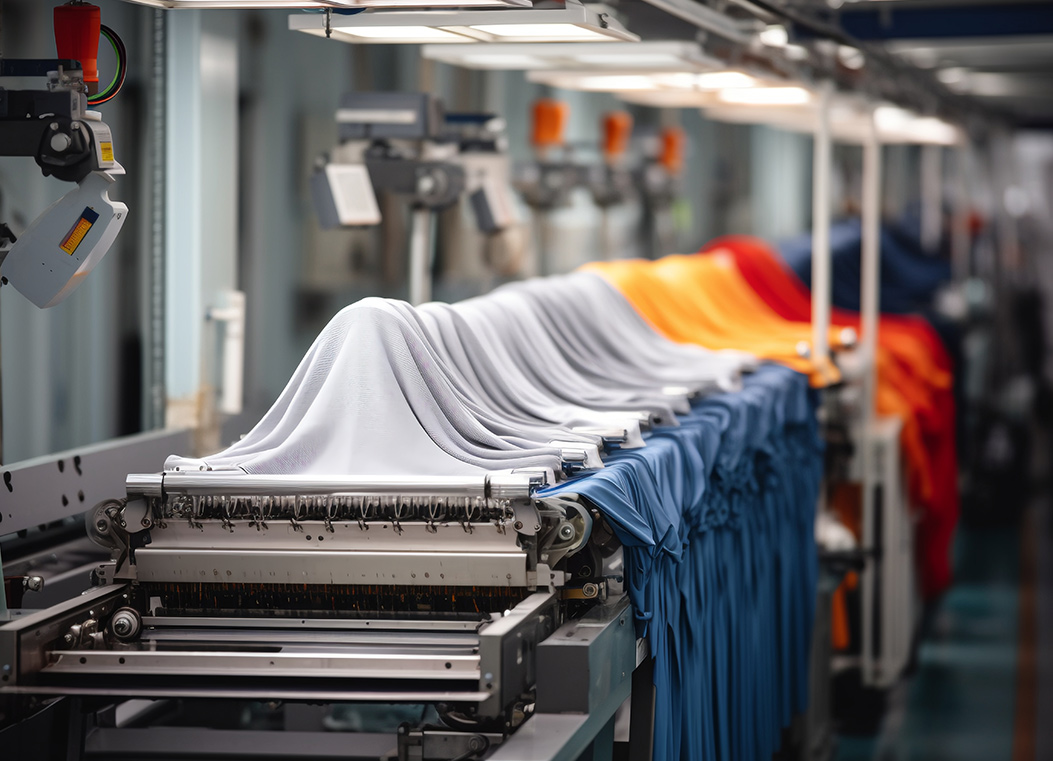
Polyester fibers are commonly used in clothing, home textiles, and industrial fabrics. When treated with Optical Brightener OB-1, these fibers show a more uniform white appearance that remains stable through finishing processes that involve heat or washing. OB-1 can be added during fiber production or in post-production treatments, helping maintain consistency across different batches of polyester material. This approach can reduce the risk of uneven brightness in fabrics that are later blended or dyed.
Use in Blended Fabrics
Blended fabrics, which combine fibers such as polyester, cotton, or rayon, often present challenges in achieving even whiteness. Optical Brightener OB-1 can help produce a consistent appearance across these materials. Its stability under various conditions allows the whitening effect to remain uniform during processing. This contributes to a smoother production workflow and more predictable outcomes.
Incorporation in PVC and Polystyrene Products
In the plastic industry, OB-1 is applicable to both rigid and soft PVC products, as well as polystyrene (PS). For PVC, the additive can improve visual brightness and reduce variations in appearance across the product. In PS products, OB-1 helps create a more consistent white surface and can also contribute to improved transparency. Proper dosing ensures that the additive integrates effectively without affecting other material properties.
Application in Polyester Coatings
Polyester coatings can also benefit from the addition of Optical Brightener OB-1. When incorporated during the formulation stage, OB-1 helps maintain a more even white appearance on the final coated surface. Its thermal and chemical stability allows it to withstand processing conditions, including exposure to heat and chemicals used during application. Ensuring even dispersion within the coating helps prevent uneven areas and supports uniformity throughout the surface.
Recommended Dosage and Handling
Fluorescent Whitening Agent OB-1 can be used alone or combined with other whitening agents. For rigid PVC, typical whitening dosage ranges from 0.01–0.06%, while polystyrene often requires 0.01–0.05%. Anti-reflection applications generally use much lower amounts, around 0.0001–0.001%. For general PVC products, usage is usually 10–50 grams per 100 kg of material, with anti-reflection doses at 0.1–1 gram per 100 kg. Proper dispersion in liquid or resin systems before application helps ensure even distribution and consistent results across materials.
Stability Under Various Conditions
One practical advantage of Optical Brightener OB-1 is its stability. The additive maintains performance under light exposure, heat, and chlorine treatments. This stability helps maintain a uniform appearance during processing, finishing, and initial use, and reduces the likelihood of noticeable changes over time. Stable performance allows manufacturers to handle different materials and treatments without needing separate formulations for each.
Practical Considerations for Production
Using OB-1 in textiles and plastics supports consistent brightness while requiring manageable quantities of additive. Its compatibility with multiple materials and flexibility in dosing allow for smoother integration into production lines. Proper handling, including pre-dispersion and monitoring of environmental conditions, helps ensure uniform results. The additive’s versatility makes it a practical choice for maintaining a consistent appearance in a variety of industrial applications.
Summary of Material Benefits
Optical Brightener OB-1 provides a structured approach to improving the visual appearance of both textiles and plastics. Its light yellow powder form, stability under heat, light, and chemical exposure, and compatibility with different materials help support consistent production results. Following recommended dosage and handling practices allows manufacturers to apply OB-1 effectively across polyester fibers, blended fabrics, PVC, polystyrene, and coatings.