

 EN
EN 中文
中文 ES
ES




.jpg)










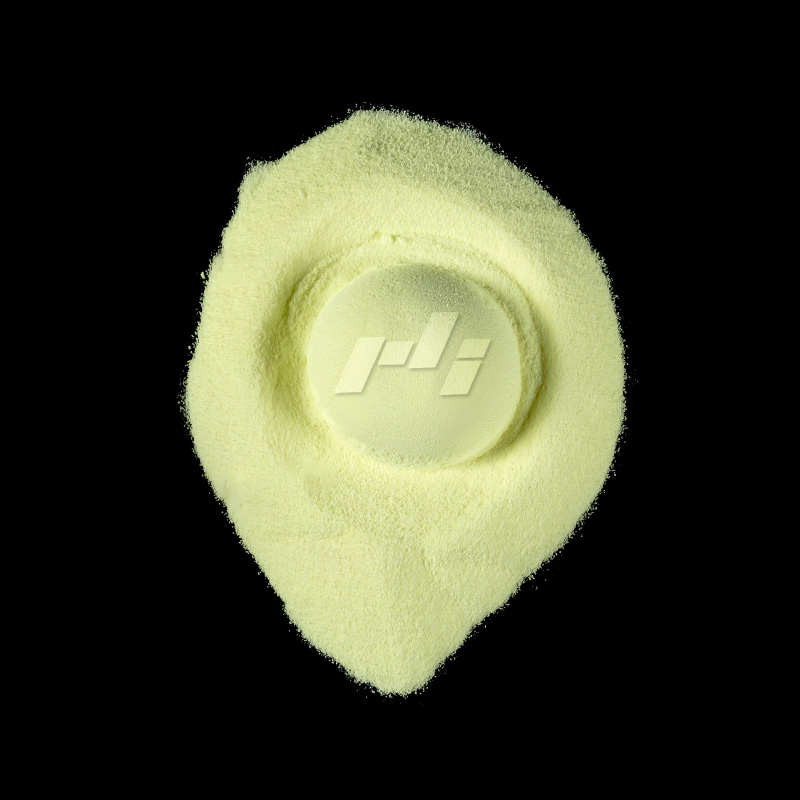
Maintaining fabric appearance during washing involves more than regular detergent use. Fluorescent Whitening Agents FP-127 and Fluorescent Whitener are widely used to support a consistent brightness in textiles. Their performance can vary depending on multiple practical factors, and understanding these influences allows users to adjust washing routines and chemical dosing for predictable and uniform results.
Key Factors Influencing Whitener Performance
Several factors play a role in determining how effectively fluorescent whiteners interact with fabrics. These include:
- Fabric Type: Natural fibers such as cotton or linen absorb whitening agents more readily than synthetic fibers like polyester or nylon, which may require adjusted contact time or dosing. Blended fabrics can show varied retention across different fibers.
- Water Quality: Hard water with high levels of calcium and magnesium can reduce adherence, while water that is too acidic or alkaline may affect distribution. Pre-treating water or using moderate softening can improve consistency.
- Detergent Interaction: Strong detergents or high concentrations of other additives may remove or interfere with the agent if added too early in the wash cycle. Proper sequencing ensures the whitener can reach fibers without being washed away prematurely.
- Temperature and pH: Water temperature and pH levels influence the dispersion and stability of the agent. Maintaining moderate conditions recommended for the product supports even application.
- Machine Conditions: Load size, distribution, and agitation affect contact between the whitener and fabrics. Overloading or uneven distribution can result in inconsistent brightness.
Considering these factors together allows users to make informed adjustments to washing routines, improving the likelihood of uniform appearance without overusing chemicals.
Practical Guidelines for Monitoring and Adjustment
For both household and industrial laundry operations, monitoring the performance of fluorescent whiteners helps maintain consistent results. Practical steps include:
- Assessing small fabric samples from different areas of a load to identify uneven application.
- Observing changes in appearance under consistent lighting or using UV inspection for a clearer view of agent distribution.
- Adjusting dosage according to fabric type and load size rather than relying on visual estimates alone.
- Introducing the agent after the main wash and before the final rinse to ensure direct interaction with fibers.
- Recording observations over repeated cycles to identify patterns and guide minor adjustments in routine or concentration.
These practices provide immediate feedback and allow for practical decision-making without requiring extensive laboratory testing. Regular observation also helps identify fabric types that require slightly different treatment due to absorption or surface characteristics.
Understanding Fabric and Color Influence
The response of textiles to fluorescent whiteners varies depending on both material and color. Light-colored fabrics generally show clearer visual changes, while dark or patterned fabrics may display subtler differences. Fabrics with higher absorbency retain more of the agent, and repeated washing can improve uniformity over time. Users should be aware that excessive drying, exposure to sunlight, or high-temperature laundering can influence perceived brightness and may necessitate minor adjustments in dosage or timing to maintain consistent results.
Integrating Effective Practices Into Laundry Routines
Integrating awareness of these factors into everyday laundry practices supports predictable outcomes and reduces the likelihood of uneven application. Awareness of fiber characteristics, water quality, washing sequence, and drying conditions allows users to make small but meaningful adjustments. Practical attention to load distribution, proper dilution, and timing ensures that Fluorescent Whitening Agents FP-127 and Fluorescent Whitener can be applied efficiently across different fabrics, while routine monitoring supports gradual consistency without adding unnecessary complexity to washing processes.