

 EN
EN 中文
中文 ES
ES


.jpg)









Monitoring fabric brightness after laundering has become an essential consideration for households and industrial laundries alike. Fluorescent Whitening Agents FP-127 and Fluorescent Whitener are commonly used to maintain a consistent visual appearance in textiles. Understanding how to measure their effectiveness quickly can help users adjust dosing, washing sequences, and water conditions to achieve practical and repeatable results without wasting resources.
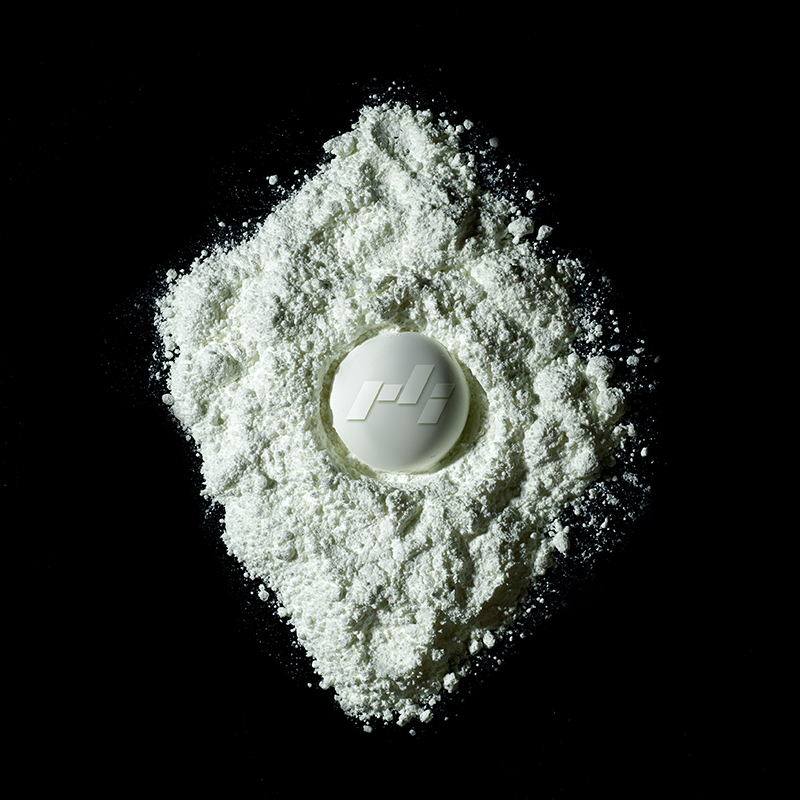
Practical Methods for Assessing Fluorescent Whitener
Measuring the effectiveness of fluorescent whiteners does not always require complex equipment. Several practical approaches allow users to evaluate the brightness of fabrics after treatment. Some of these include:
Visual Comparison: Place treated fabrics alongside untreated or baseline samples under consistent lighting conditions. Observe differences in perceived brightness or yellowing.
UV Light Inspection: Fluorescent whitening agents absorb ultraviolet light and emit visible blue light. Using a UV source can help identify uneven application or areas of lower adherence.
Photometric Assessment: Simple handheld photometers or colorimeters can measure light reflectance or whiteness index on fabric surfaces. These readings allow quick comparison across multiple samples.
Routine Sampling: Testing small fabric pieces from different washing cycles or different areas of a load provides immediate feedback on distribution and coverage.
By applying these methods, users can determine whether the current dosage, water conditions, or washing sequence produces consistent brightness. These assessments also help identify fabric types that retain or release the agent differently, guiding adjustments for future washes.
Understanding Factors That Affect Whitening Performance
The performance of Fluorescent Whitening Agents FP-127 is influenced by several practical factors. Fabric type is a major consideration; natural fibers such as cotton and linen generally absorb the agent more consistently, while synthetic fibers may require longer contact or slightly adjusted concentrations. Water quality, including hardness and pH levels, can influence adherence. Hard water may reduce binding, resulting in uneven brightness, while water that is too acidic or alkaline can also affect the distribution.
Washing machine conditions also matter. Overloading machines or insufficient agitation may prevent uniform contact between the agent and the fibers. Similarly, introducing the agent too early in the wash cycle can cause partial removal by detergents, while adding it too late may reduce penetration into dense fabric fibers. Observing these factors during quick effectiveness assessments helps users interpret results accurately and adjust practices for better consistency.
Steps for Quick Assessment in Industrial or Household Settings
For environments where multiple loads or textile types are processed, quick and systematic assessment is useful. Recommended steps include:
- Select representative samples from each load or textile type.
- Ensure samples are evenly spread and exposed to light for consistent observation.
- Use visual inspection combined with UV light or handheld photometers for immediate feedback.
- Record observations, noting fabric type, wash conditions, and dosage.
- Adjust future dosing or washing sequence based on the observed variations.
This structured approach allows users to evaluate effectiveness without needing extensive laboratory testing, while also providing insights into potential issues such as uneven distribution or fabric-specific challenges.
Maintaining Consistent Fabric Appearance
Once effectiveness has been measured, regular observation over multiple wash cycles supports predictable outcomes. Different fabrics and colors respond differently; light-colored textiles often reveal brightness differences more clearly, while patterned or dark fabrics may display subtler changes. Gradual adjustments to dosage or timing can maintain a consistent appearance without introducing excessive chemical residue.
Regular monitoring also supports understanding of how drying conditions, sunlight exposure, and machine variability influence brightness over time. By combining quick assessment methods with practical adjustments, users can integrate Fluorescent Whitening Agents FP-127 and similar products into washing routines efficiently. Awareness of fabric properties, water quality, and washing sequences allows users to maintain predictable results, reduce chemical waste, and ensure fabrics have a uniform appearance across repeated cycles.