

 EN
EN 中文
中文 ES
ES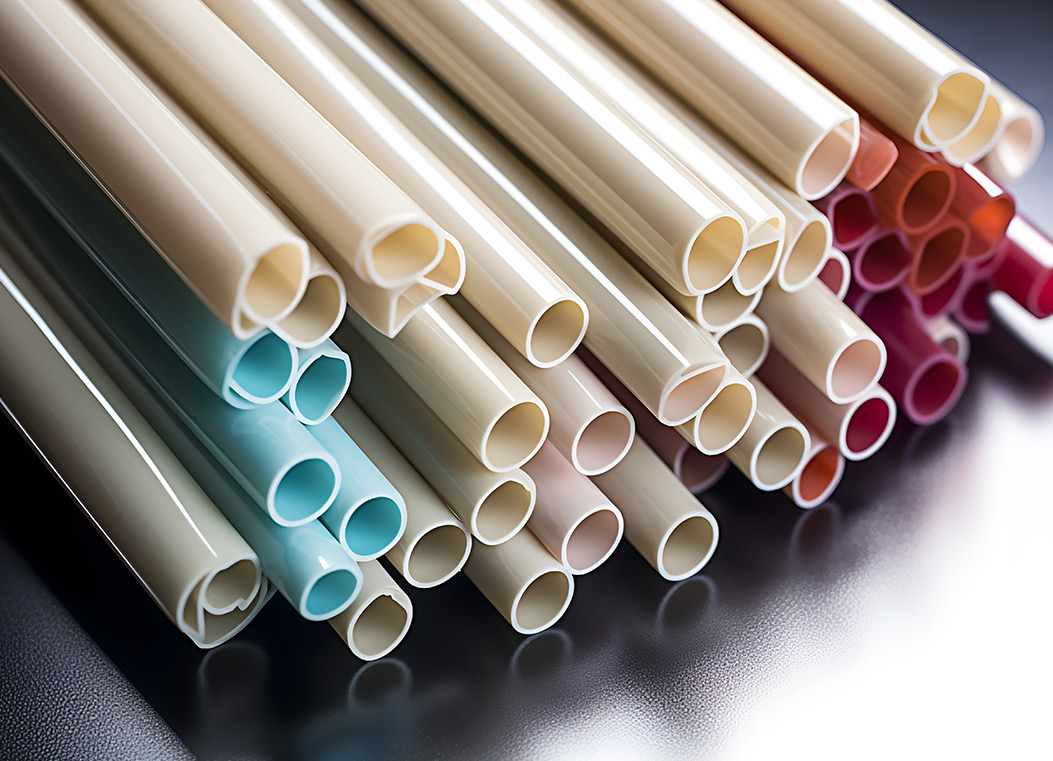



.jpg)

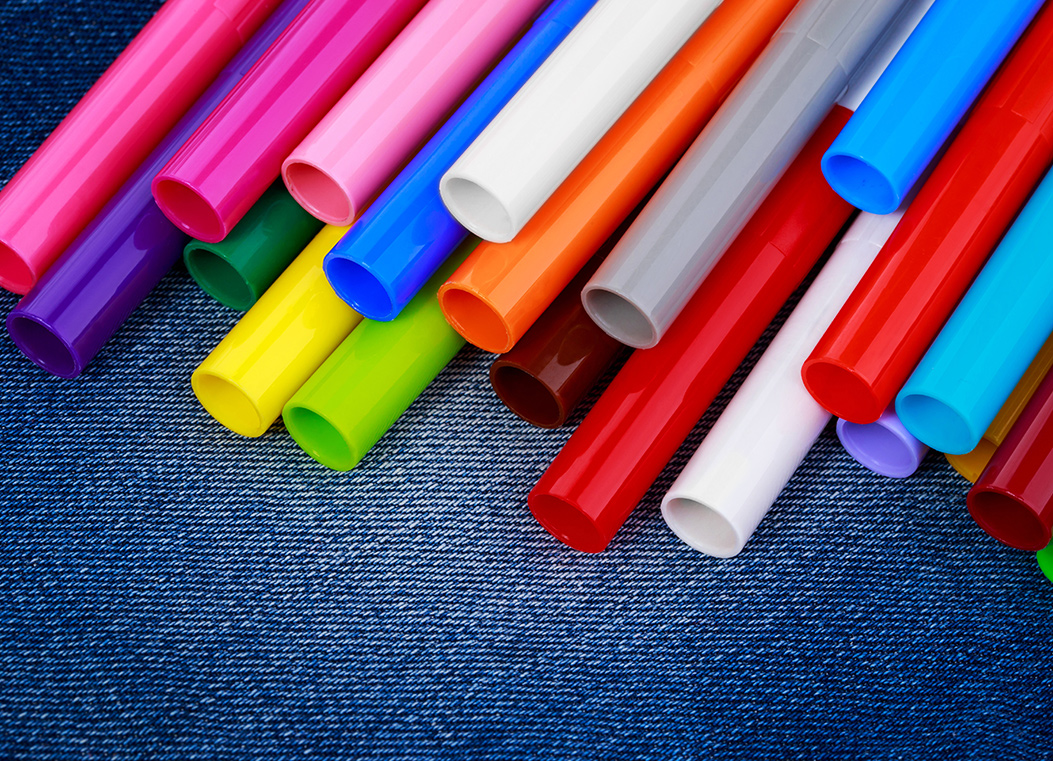
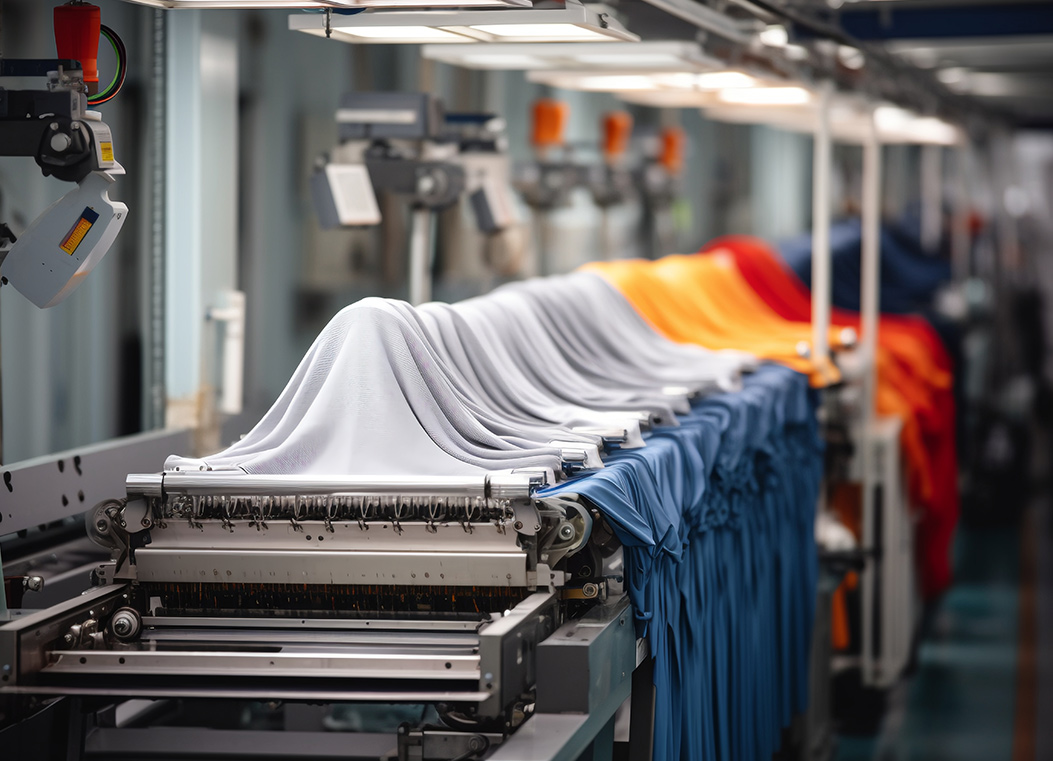






In modern polymer manufacturing, appearance enhancement is often achieved through specialized additives that improve brightness and visual uniformity. Fluorescent Whitener products are widely used in plastics, films, coatings, textiles, and other industrial materials to support a cleaner and brighter appearance. In PVC processing applications, Optical Brightener for calendered film is frequently incorporated alongside fluorescent whitening agents to help maintain consistent visual characteristics throughout production and end use.
The Role of Fluorescent Whitener in Industrial Applications
A Fluorescent Whitener functions by absorbing ultraviolet light and converting part of that energy into visible blue light. This optical process helps offset yellowish tones that may naturally occur in polymer materials or develop during processing.
Because appearance is an important quality factor for many products, whitening agents are commonly used in applications such as:
PVC films and sheets
Decorative plastic products
Packaging materials
Coating systems
Textile-related materials
In film manufacturing, an Optical Brightener for calendered film is often selected to improve brightness while maintaining compatibility with PVC processing requirements.
Safety Considerations in Industrial Use
Safety is an important factor when selecting additives for commercial production. Manufacturers typically review regulatory requirements and product specifications before incorporating whitening agents into formulations.
A Fluorescent Whitener intended for industrial use is generally evaluated for factors such as:
Regulatory Compliance
Many industries require additives to comply with relevant regional regulations and material standards. Product selection may depend on the intended application and market requirements.
Material Compatibility
Whitening agents should work effectively with the chosen resin system without creating undesirable reactions or processing difficulties.
Application Suitability
Different products may require different additive characteristics. Materials used in industrial films, decorative products, or specialty applications often have unique formulation requirements that influence additive selection.
Careful evaluation helps ensure that the whitening agent aligns with both technical and regulatory expectations.
Stability During Manufacturing
The performance of a whitening agent depends heavily on its ability to remain stable throughout processing.
Thermal Stability
PVC processing frequently involves elevated temperatures. If a whitening agent experiences significant degradation during manufacturing, its optical performance may be reduced.
For this reason, manufacturers often select an Optical Brightener for calendered film that can withstand the thermal conditions associated with calendering operations.
Processing Stability
In addition to heat exposure, additives may encounter mechanical stress during mixing, compounding, and film formation. Stable performance throughout these stages supports a more consistent appearance in the finished product.
Light Stability
Finished materials may be exposed to sunlight or artificial lighting throughout their service life. A stable Fluorescent Whitener helps preserve brightness and maintain the intended visual effect over extended periods.
Long-Term Appearance Retention
Appearance consistency is often evaluated beyond the production stage. Film products may be stored, transported, and used in varying environmental conditions.
Several factors can influence long-term visual performance:
Ultraviolet exposure
Temperature fluctuations
Humidity conditions
Material aging processes
A properly selected Fluorescent Whitener can contribute to appearance stability by helping maintain brightness and color balance. Likewise, an Optical Brightener for calendered film can support a more uniform appearance throughout the product lifecycle.
Industrial Usage Guidelines
Successful implementation of whitening agents often depends on proper formulation practices.
Appropriate Dosage Selection
The amount of additive used should be matched to the desired visual outcome and processing requirements. Balanced dosage levels help maintain product quality and appearance consistency.
Uniform Dispersion
Even distribution throughout the polymer matrix is important for achieving a consistent whitening effect. Poor dispersion may result in uneven brightness or visible color variation.
Compatibility Testing
Formulators frequently evaluate whitening agents alongside stabilizers, plasticizers, fillers, and pigments to ensure reliable performance within the complete system.
These practices help manufacturers obtain consistent results while maintaining processing efficiency.
Applications in PVC and Film Production
PVC film manufacturers often seek solutions that provide both visual enhancement and stable processing performance. The combination of Fluorescent Whitener technology and Optical Brightener for calendered film formulations can support these goals across a range of applications.
Common examples include decorative films, laminated materials, flexible sheets, protective coverings, and other polymer-based products where appearance quality is an important consideration.
As production requirements continue to evolve, additive selection remains an important part of formulation development. By evaluating safety characteristics, stability performance, and application compatibility, manufacturers can choose Fluorescent Whitener products and Optical Brightener for calendered film solutions that support reliable processing and consistent visual results in industrial film production.