

 EN
EN 中文
中文 ES
ES




.jpg)








The appearance of PVC films is influenced by resin quality, processing conditions, and additive selection. Among the additives commonly used to improve visual characteristics, Fluorescent Whitener products play an important role in enhancing brightness and adjusting color tone. In many formulations, Optical Brightener for calendered film is also incorporated to support a cleaner and more uniform appearance in finished film products.
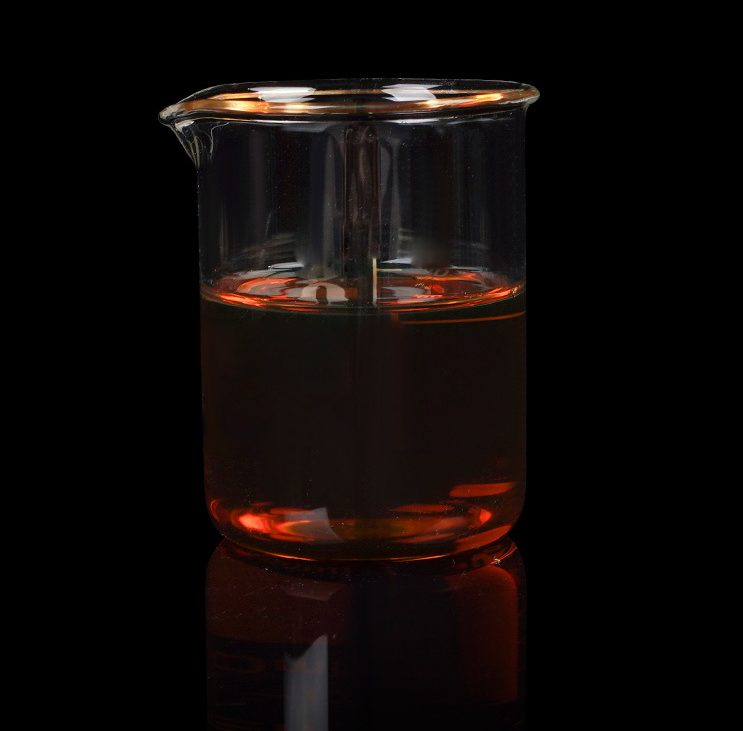
Understanding Fluorescent Whitener Technology
A Fluorescent Whitener works by absorbing ultraviolet light and re-emitting it as visible blue light. This optical effect helps offset yellowish tones that may naturally occur in polymer materials, creating a brighter visual impression.
The technology is widely applied in PVC films, plastic sheets, coatings, and other polymer-based products where appearance consistency is an important consideration. Different whitening agents may provide varying levels of brightness, stability, and compatibility, making product selection an important part of formulation design.
Factors to Consider When Selecting a Whitener
Choosing a suitable whitening agent involves evaluating several technical and processing requirements.
Resin Compatibility
PVC formulations can contain stabilizers, plasticizers, fillers, and pigments. A Fluorescent Whitener should be compatible with these components to ensure even distribution throughout the material.
Good compatibility helps reduce the risk of uneven coloration and supports consistent optical performance across the film surface.
Processing Method
Different film manufacturing methods may place different demands on additives. Calendering, extrusion, and casting processes each expose materials to unique thermal and mechanical conditions.
An Optical Brightener for calendered film is typically selected with these processing requirements in mind. The additive should remain effective throughout production without negatively affecting film quality.
Desired Appearance
Film manufacturers often have specific targets for brightness, color tone, and surface appearance. Some applications may require a neutral white appearance, while others may benefit from a slight blue-toned effect.
Selecting the appropriate Fluorescent Whitener allows formulators to adjust the final visual result according to product requirements.
Evaluating Optical Performance
Optical performance is one of the primary factors considered during additive selection.
Brightness Enhancement
The ability to improve perceived brightness is a major reason for using whitening agents in PVC film production. A suitable additive can contribute to a cleaner and more attractive appearance.
Color Tone Adjustment
Yellowing can occur because of raw materials, processing conditions, or environmental exposure. Both Fluorescent Whitener products and Optical Brightener for calendered film formulations help compensate for these color shifts by providing a controlled optical effect.
Appearance Uniformity
Consistent appearance across production batches is often important for commercial film products. Proper additive selection supports uniform color distribution and stable visual quality.
Stability and Durability Considerations
Beyond initial appearance, manufacturers also consider how whitening agents perform over time.
Thermal Stability
PVC processing often involves elevated temperatures. A whitening agent should maintain its optical properties throughout manufacturing to deliver consistent results.
Light Resistance
Exposure to sunlight and artificial lighting can affect additive performance. Stable whitening agents help maintain brightness and color balance during product use.
Migration Resistance
In some formulations, additives may gradually move toward the material surface. Selecting a suitable Fluorescent Whitener can help reduce this effect and support long-term appearance retention.
Application Requirements in Film Production
Different PVC film applications may require different whitening strategies. Decorative films, laminated materials, protective sheets, and industrial films each have unique appearance goals.
For calendered products, an Optical Brightener for calendered film is often chosen to meet the specific demands of the production process. Combined with an appropriate Fluorescent Whitener, it can contribute to a balanced appearance while maintaining compatibility with the overall formulation.
Manufacturers frequently evaluate multiple additive options during product development to identify solutions that align with processing requirements and visual expectations.
Supporting Consistent PVC Film Appearance
The selection of a whitening agent involves more than achieving a brighter appearance. Compatibility, stability, processing performance, and long-term durability all influence the effectiveness of the final formulation.
By carefully evaluating Fluorescent Whitener options and selecting a suitable Optical Brightener for calendered film, PVC film producers can improve visual consistency and support reliable product quality across a wide range of film manufacturing applications.