

 EN
EN 中文
中文 ES
ES


.jpg)

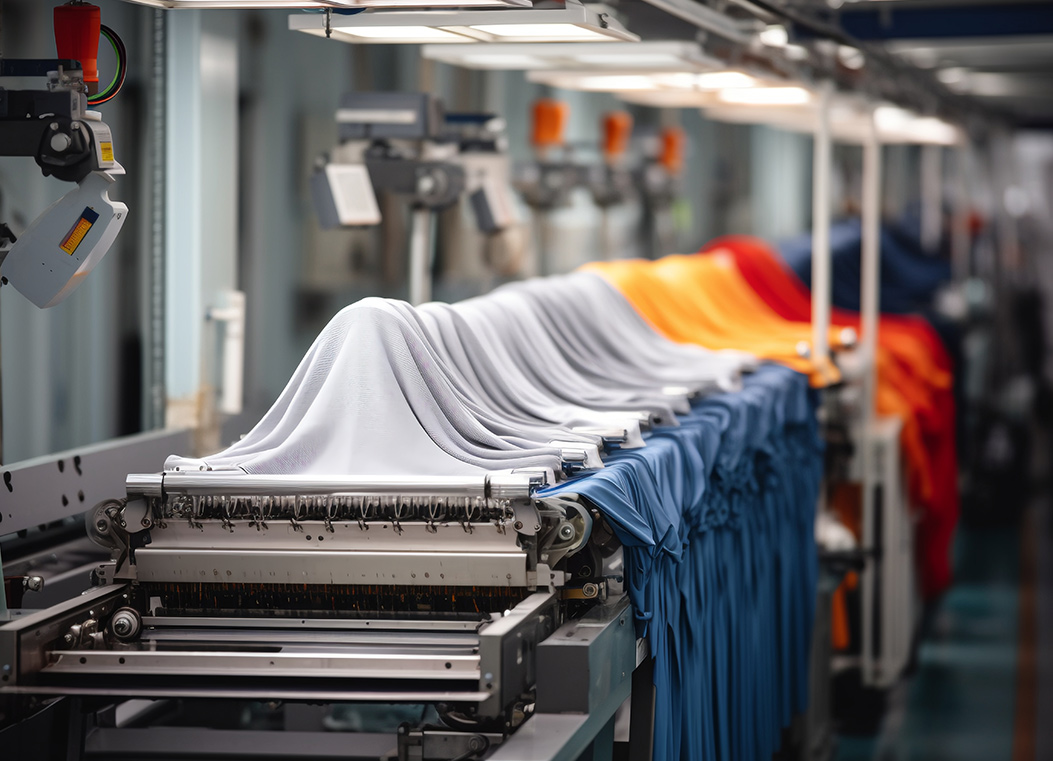






As packaging manufacturers continue to balance appearance, durability, and production efficiency, the demand for specialized optical brightening solutions is growing. Buyers are increasingly searching for materials that help products maintain a clean, bright look without disrupting existing manufacturing processes. Fluorescent Whitening Agents for woven bags have become a practical option for polypropylene packaging, while Fluorescent Whitening Agents for PET are widely discussed for bottles, sheets, films, and polyester applications where visual consistency matters. Selecting the right formulation can help manufacturers improve product presentation while supporting stable production across different applications.
Why Brightness Matters More Than Ever
Across global packaging markets, product appearance remains one of the quality indicators customers notice. Whether producing woven sacks for agriculture, chemicals, or construction materials, or manufacturing PET packaging for consumer goods, a brighter and cleaner appearance can strengthen brand perception.
Many procurement teams are currently focusing on questions such as:
- How can optical brightness remain stable during processing?
- Which whitening agent performs well under high processing temperatures?
- How can color variation between production batches be reduced?
- Which solution fits existing extrusion or injection molding equipment?
These practical concerns are driving manufacturers to evaluate fluorescent whitening solutions based on compatibility rather than simply brightness.
Choosing the Right Whitening Agent for Different Polymers
Different polymers require different technical approaches. Polypropylene woven bags and PET materials have distinct processing temperatures, resin characteristics, and end-use requirements.
When selecting a whitening agent, buyers often evaluate:
- Thermal stability during processing
- Compatibility with virgin and recycled materials
- Dispersion performance
- Influence on finished product appearance
- Production consistency across multiple batches
Rather than relying on a universal formulation, manufacturers typically select products developed specifically for each polymer system to achieve reliable processing results.
Addressing Common Production Challenges
Manufacturing teams frequently encounter issues that affect product appearance, including uneven dispersion, inconsistent whiteness, or slight yellowing after processing.
Several production practices can help improve results:
- Match the whitening agent with the specific resin grade.
- Control processing temperatures within the recommended range.
- Maintain consistent raw material quality.
Optimize dosage according to product requirements instead of using excessive additions.
These measures help create more uniform visual performance while reducing unnecessary adjustments during production.
Growing Interest in Sustainable Manufacturing
One topic receiving increasing attention across industry discussions is the use of recycled materials. As more manufacturers incorporate recycled PET or recycled polypropylene into production, maintaining consistent product appearance becomes more challenging.
Well-matched optical brighteners can support visual consistency when recycled content varies between batches. Although every recycled material behaves differently, selecting a compatible formulation helps manufacturers improve processing stability and achieve a cleaner finished appearance without significant changes to existing production lines.
What Overseas Buyers Look for in a Supplier
From our experience as a manufacturer, international buyers often evaluate more than product specifications. Technical support and application expertise have become equally important.
Customers commonly expect suppliers to provide:
- Product recommendations based on application
- Technical guidance for dosage selection
- Stable production quality
- Consistent batch-to-batch supply
- Responsive communication during project development
A supplier familiar with different polymer systems can often help customers shorten evaluation time and improve production efficiency through practical technical support rather than trial and error.
Supporting Reliable Packaging Production
Packaging manufacturers continue to adapt to changing customer expectations, recycled material trends, and stricter quality requirements. Optical brightening solutions play a supporting role in achieving attractive product appearance while maintaining efficient production. Whether the application involves industrial woven packaging or transparent PET products, selecting compatible materials remains an important step toward consistent manufacturing performance. As a manufacturer with experience serving global customers, we work closely with buyers to recommend suitable Fluorescent Whitening Agents for woven bags based on processing conditions and application goals. We also provide technical support for Fluorescent Whitening Agents for PET, helping customers evaluate formulations that fit their production requirements and long-term product quality objectives.