

 EN
EN 中文
中文 ES
ES


.jpg)







Heat stability is an important consideration in PVC film manufacturing, especially during calendering processes where materials are exposed to elevated temperatures and continuous mechanical stress. Optical Brightener for calendered film products are often selected not only for their whitening performance but also for their ability to remain stable during processing. In many formulations, Fluorescent Whitener additives are also evaluated for thermal resistance to ensure consistent appearance throughout production.
Heat Exposure in Calendered Film Processing
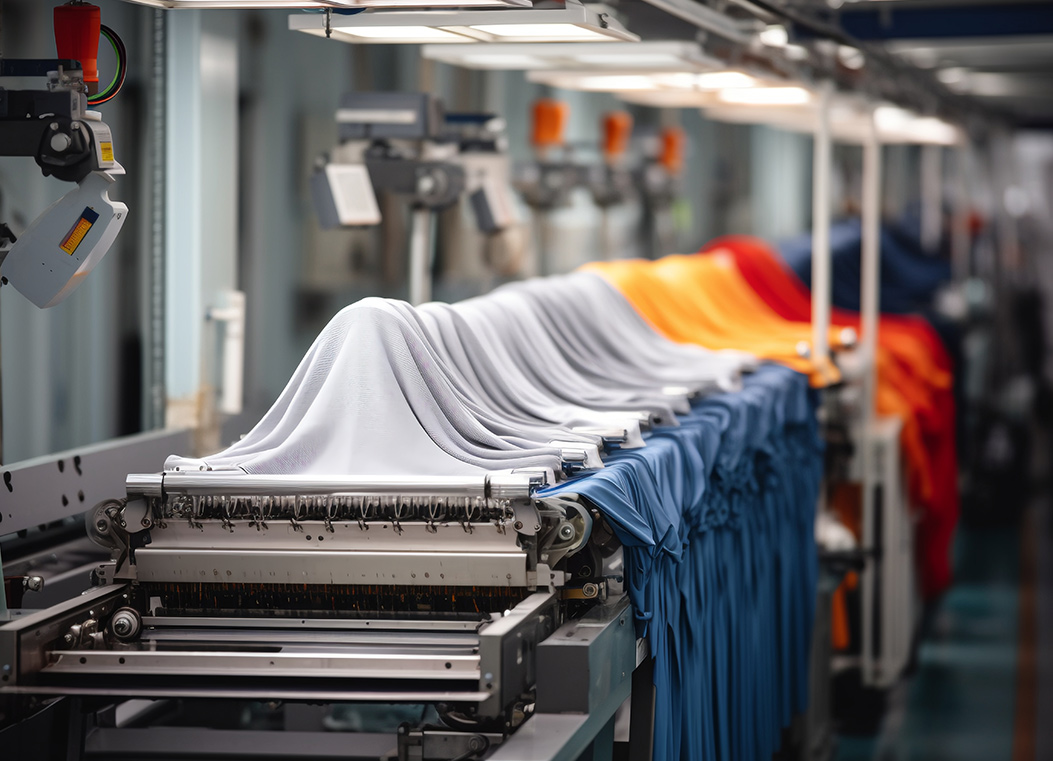
Calendered PVC films are produced through a series of heating, mixing, and rolling operations. During these stages, the material experiences conditions that can affect the performance of various additives.
If an optical brightening agent cannot withstand processing temperatures, its whitening effect may decrease before the film reaches the final stage of production. This can result in reduced brightness, uneven color tone, or changes in appearance between production batches.
Because of these challenges, manufacturers often focus on selecting an Optical Brightener for calendered film that can maintain its functionality under demanding processing conditions.
Why Heat Stability Matters
The effectiveness of a brightener depends on the integrity of its molecular structure. Excessive thermal exposure can alter this structure, reducing fluorescence efficiency and affecting the final visual result.
A thermally stable Fluorescent Whitener helps maintain the desired balance between brightness and color tone during production. This becomes particularly important in applications where visual consistency is a key quality requirement.
Heat stability also contributes to:
- More consistent whitening performance
- Reduced risk of color variation
- Improved batch-to-batch appearance uniformity
- Better retention of optical properties after processing
These factors make thermal resistance an important part of additive selection.
Key Characteristics of Heat-Resistant Brighteners
When evaluating an Optical Brightener for calendered film, manufacturers typically consider several performance characteristics.
Thermal Durability
The additive should remain functional throughout the heating stages of the calendering process. Stable performance helps preserve brightness and visual quality.
Compatibility with PVC Systems
A brightener should work effectively alongside stabilizers, plasticizers, and other common PVC additives. Good compatibility supports uniform dispersion and reliable performance.
Consistent Optical Effect
A suitable Fluorescent Whitener should maintain its fluorescence properties after processing, helping the finished film retain its intended appearance.
Interaction with PVC Stabilizer Systems
Heat stabilizers are commonly used in PVC formulations to reduce degradation during processing. The relationship between stabilizers and optical brighteners can influence overall performance.
An Optical Brightener for calendered film should function effectively within the stabilizer package selected for the formulation. Poor interaction between additives may affect dispersion, color tone, or long-term appearance.
For this reason, additive compatibility testing is often included during product development and formulation optimization.
Processing Considerations for Stable Whitening Performance
Several practical measures can help maintain the effectiveness of whitening additives during production.
Uniform Mixing
Proper blending helps distribute the additive evenly throughout the PVC matrix. Consistent dispersion supports a uniform appearance across the film surface.
Controlled Processing Conditions
Managing temperature profiles during production can help protect optical additives from unnecessary thermal stress.
Appropriate Dosage Selection
Using suitable addition levels allows manufacturers to achieve the desired whitening effect while maintaining film quality and processing efficiency.
These considerations help both Optical Brightener for calendered film and Fluorescent Whitener additives perform more consistently during manufacturing.
Long-Term Appearance Retention
Thermal stability is not only important during production but also influences how the film looks after storage and use. Additives that maintain their optical properties following processing are more likely to provide stable appearance characteristics over time.
Films used in decorative, protective, or industrial applications may encounter varying environmental conditions. A stable Fluorescent Whitener can help preserve brightness, while a well-selected Optical Brightener for calendered film supports continued visual consistency throughout the product lifecycle.
Supporting Reliable Film Production
As quality expectations continue to grow in the PVC film industry, the importance of thermal performance remains closely linked to additive selection. Manufacturers increasingly evaluate whitening agents based on both optical effectiveness and processing stability.
By selecting an Optical Brightener for calendered film with suitable heat resistance and combining it with a compatible Fluorescent Whitener, producers can improve appearance consistency while supporting reliable manufacturing performance across a range of calendered film applications.