

 EN
EN 中文
中文 ES
ES



.jpg)









Achieving consistent brightness in textiles and plastics requires not only the correct additive but also careful monitoring of its application. Fluorescent Whitening Agent and Optical Brightener OB-1 are commonly used to maintain visual uniformity across various materials. Proper measurement of their performance ensures that fibers, fabrics, and plastic products maintain a consistent appearance without introducing unnecessary material or processing variations.
Key Methods for Evaluating Whitening
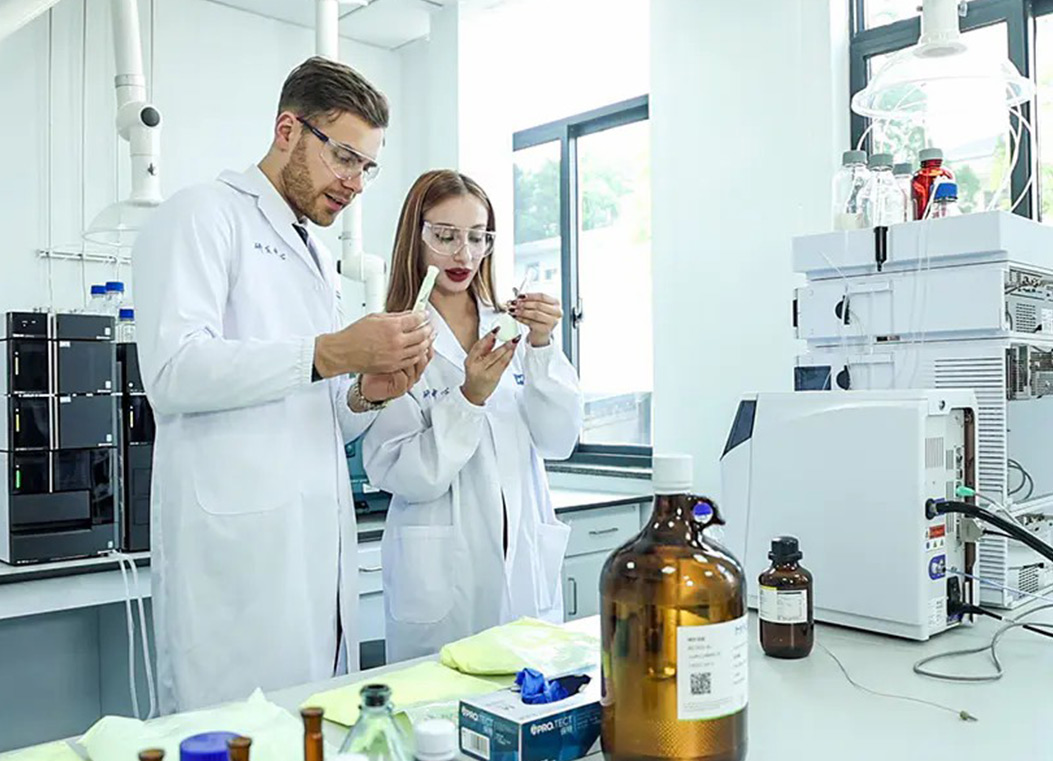
Measuring the performance of OB-1 begins with understanding its interaction with the substrate. For textiles such as polyester fibers or blended fabrics, spectrophotometric analysis is often used to quantify whiteness levels. This method involves comparing the treated material’s reflectance under specific light sources against untreated samples. Using consistent lighting conditions and calibrated instruments helps reduce variability and provides reliable data for evaluating the additive’s performance.
Visual Assessment in Production
While laboratory methods provide numerical data, visual assessment remains an important tool during production. Inspecting textiles or plastics under standardized lighting conditions can help identify uneven distribution or localized variations. Combining visual checks with quantitative analysis gives a more complete understanding of how OB-1 performs across different sections of material, and can highlight areas where adjustments in dispersion or dosage may be necessary.
Dosage and Dispersion Considerations
The amount of Optical Brightener OB-1 applied has a direct impact on the observed whitening effect. Recommended dosages vary depending on the material: for rigid PVC, a typical range is 0.01–0.06%, while polystyrene often uses 0.01–0.05%. Anti-reflection applications require lower amounts. Ensuring uniform dispersion in water, resin, or other carriers is essential for accurate measurement.
Environmental Factors During Testing
External conditions such as temperature, light exposure, and chemical interactions can influence the apparent performance of OB-1. Testing under controlled conditions helps isolate the additive’s effect from other variables. For example, heat treatment used in textile finishing or exposure to chlorine during cleaning can temporarily alter the material’s brightness. Accounting for these factors in measurement ensures that results reflect the additive’s contribution rather than external influences.
Instrumental Techniques for Plastics
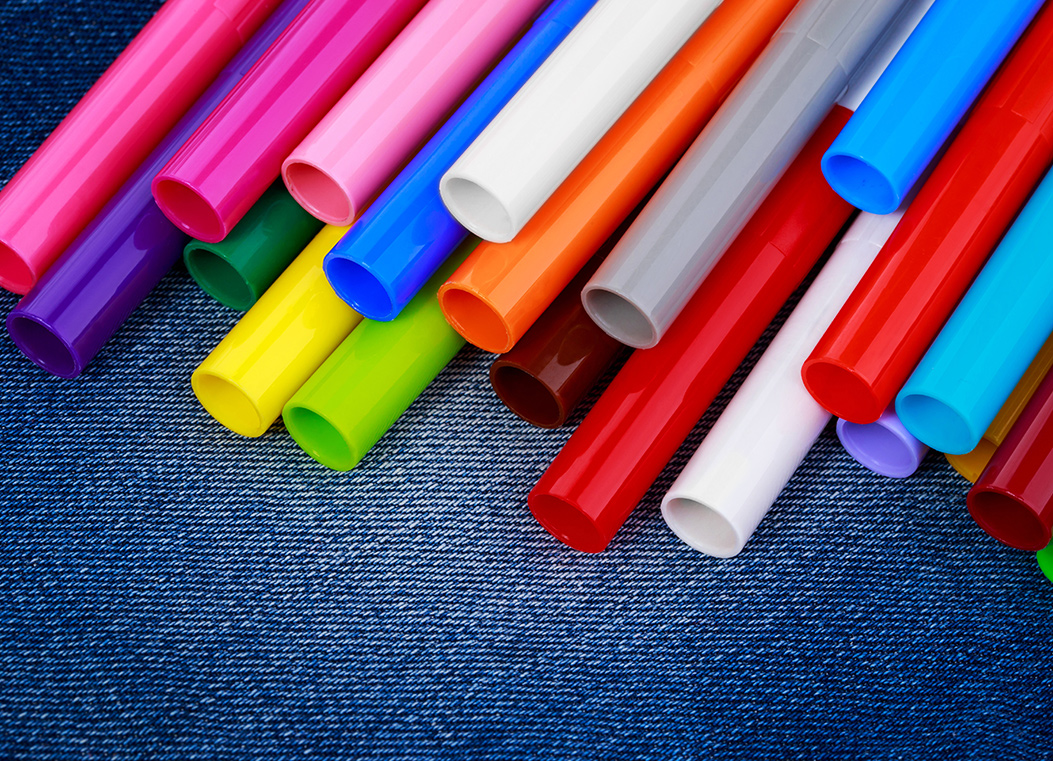
For plastic products like PVC and polystyrene, optical instruments such as colorimeters or whiteness meters are useful for evaluating brightness and uniformity. These devices measure the reflected light and provide quantitative indicators of visual changes after adding OB-1. Consistent sampling and calibration of instruments are important to avoid errors and maintain comparability between different production batches or material types.
Combining Data for Better Insight
Accurate assessment often involves combining multiple methods. Spectrophotometric data, instrumental readings from plastics, and visual inspections together provide a more complete picture of performance. Recording results systematically allows production teams to track changes over time, adjust dosing if necessary, and ensure materials remain consistent across different production runs.
Practical Considerations
To measure OB-1 performance effectively, proper preparation of samples is essential. Ensuring even distribution, avoiding contamination, and maintaining controlled testing conditions all contribute to more meaningful results. Following recommended dosages, monitoring environmental influences, and using both quantitative and visual assessments support a practical approach to evaluating fluorescent whitening agents in everyday production.
Observations Across Materials
Optical Brightener OB-1 can be applied across a variety of substrates including textiles and plastics. Accurate measurement helps ensure that its addition provides consistent visual appearance without overuse or uneven application. By integrating laboratory testing, production checks, and proper handling procedures, manufacturers can monitor whitening performance and make adjustments as needed for specific material types.