

 EN
EN 中文
中文 ES
ES



.jpg)








PVC calendered films are widely used in decorative surfaces, packaging materials, and flexible sheet applications where appearance consistency is an important product characteristic. Optical Brightener for calendered film is commonly incorporated into formulations to improve perceived whiteness and brightness. At the same time, Fluorescent Whitener additives are often used to adjust color tone and reduce the visual impact of yellowish hues that may develop during processing or storage.
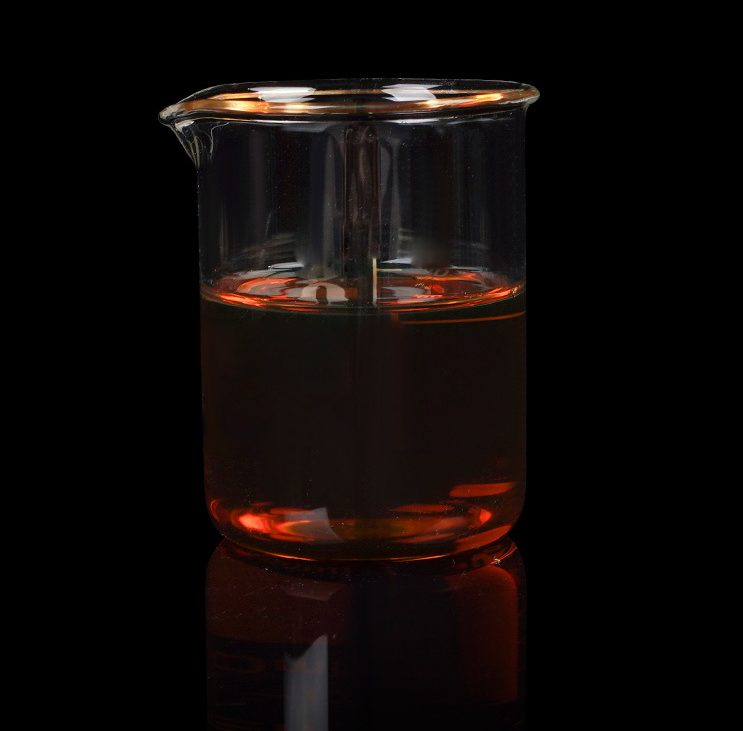
The Role of Optical Brighteners in PVC Films
The visual appearance of PVC film depends on multiple factors, including resin quality, processing conditions, and additive selection. Even when the base material has good color characteristics, slight yellow tones can affect the final appearance.
An Optical Brightener for calendered film works by absorbing ultraviolet light and re-emitting part of that energy as visible blue light. This optical effect helps balance unwanted yellow shades and creates a cleaner visual appearance. A Fluorescent Whitener functions through a similar mechanism and is often selected according to the specific requirements of the film formulation.
Why Whiteness Matters in Calendered Film Production
In many film applications, appearance is closely linked to product value. Customers often expect films to maintain a consistent color tone across production batches. Variations in whiteness may become more noticeable in large surface areas or under strong lighting conditions.
The use of Optical Brightener for calendered film can support a more uniform appearance while maintaining the desired processing characteristics of PVC. When combined with a suitable Fluorescent Whitener, manufacturers can further improve visual consistency without relying entirely on pigments.
Factors Affecting Brightener Performance
Several factors influence the effectiveness of whitening additives in PVC film production.
Resin Compatibility
The brightener should disperse evenly within the PVC matrix. Good compatibility helps prevent uneven coloration and supports stable optical performance.
Processing Conditions
Calendering involves elevated temperatures and significant mechanical stress. Additives must remain stable during these stages to maintain their whitening effect throughout production.
Dosage Control
The amount of brightener used can affect the final appearance. Insufficient levels may provide limited visual improvement, while excessive addition may influence film clarity or create unwanted color shifts.
Maintaining Film Clarity and Surface Quality
Besides increasing perceived whiteness, manufacturers often need to preserve transparency or surface smoothness. This is particularly important for decorative and specialty film products.
A carefully selected Optical Brightener for calendered film can enhance brightness while maintaining the desired visual characteristics of the material. Likewise, a properly matched Fluorescent Whitener can contribute to appearance improvement without significantly affecting processing performance.
Achieving the right balance usually requires consideration of both optical properties and production requirements.
Long-Term Appearance Stability
Film products may be exposed to light, heat, and environmental conditions throughout their service life. These factors can gradually influence color perception and brightness.
For this reason, stability is an important part of additive selection. Manufacturers often evaluate how an Optical Brightener for calendered film performs under extended exposure conditions. Similar attention is given to Fluorescent Whitener systems to ensure that the whitening effect remains consistent over time.
The ability to maintain visual quality throughout storage and use contributes to a more reliable product appearance.
Applications in Modern PVC Film Manufacturing
Optical brightening technologies are used across a wide range of PVC film products. Common examples include decorative films, laminated surfaces, protective coverings, and flexible sheet materials.
As production requirements continue to evolve, the combination of Optical Brightener for calendered film and Fluorescent Whitener remains an important approach for improving film appearance. Through proper formulation design, manufacturers can achieve brighter, cleaner-looking PVC films while maintaining processing efficiency and product consistency.