

 EN
EN 中文
中文 ES
ES


.jpg)









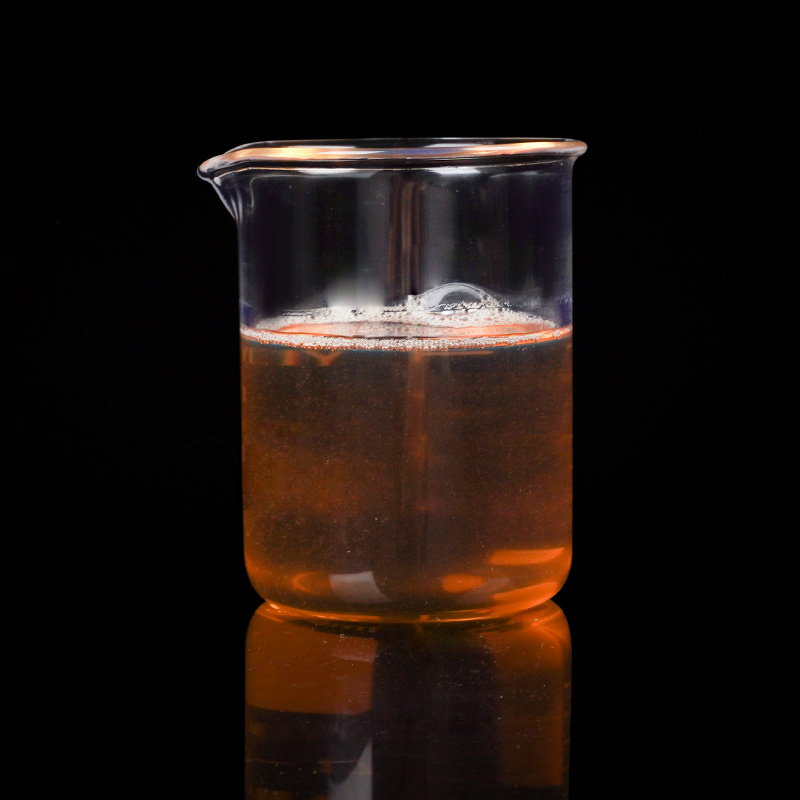
Fluorescent Whitening Agent and Optical Brightener OB are commonly used in detergent formulations to adjust how washed fabrics and cleaned surfaces appear under natural and artificial light. In modern detergent systems, Fluorescent Whitening Agent works together with Optical Brightener OB to influence visual brightness perception, especially in laundry and household cleaning products where residue-free appearance is evaluated by users.
Appearance Challenges in Detergent Performance
Detergent formulation is not only about removing stains but also about how cleaned materials look after washing and drying. Even when soils are effectively removed, fabrics can still appear slightly yellowed or dull due to fiber aging, repeated washing cycles, or mineral content in water. These visual changes are often more noticeable on white textiles, paper-based wipes, and lightly colored fabrics.
Another factor is water quality variation. Hard water contains calcium and magnesium ions that can interact with surfactants and reduce uniform rinsing, sometimes leaving faint residues that influence surface appearance. In addition, fabric type also plays a role. Cotton, polyester blends, and synthetic fibers respond differently to washing conditions, which causes inconsistent visual outcomes across different materials.
For detergent manufacturers, managing these variations becomes part of formulation design rather than post-wash correction. Optical adjustment additives are therefore introduced to influence how light interacts with fabric surfaces after cleaning.
Optical Adjustment in Detergent Systems
Optical Brightener OB functions by absorbing ultraviolet light and re-emitting it as blue visible light. This optical shift helps balance yellow tones that naturally develop in textiles over time. Unlike pigment-based approaches, this process does not involve covering the surface but instead modifies perceived brightness through light interaction.
Fluorescent Whitening Agent is typically incorporated into detergent powder, liquid detergent, or concentrated cleaning systems during the blending stage. It disperses within the formulation and transfers onto fabric surfaces during washing. The behavior of the additive depends on several formulation conditions:
- Surfactant system compatibility
- pH level of detergent solution
- Washing temperature range
- Water hardness conditions
- Fabric fiber type and structure
In practical production, manufacturers adjust additive levels depending on target market conditions and expected washing environments. For example, formulations intended for areas with higher water hardness may require different balancing compared to soft water regions.
Application in Detergent and Cleaning Products
The use of Fluorescent Whitening Agent and Optical Brightener OB is not limited to laundry detergents. Their application extends across multiple cleaning-related formulations where surface appearance after cleaning is relevant.
Common application areas include:
- Household laundry detergents for cotton and blended fabrics
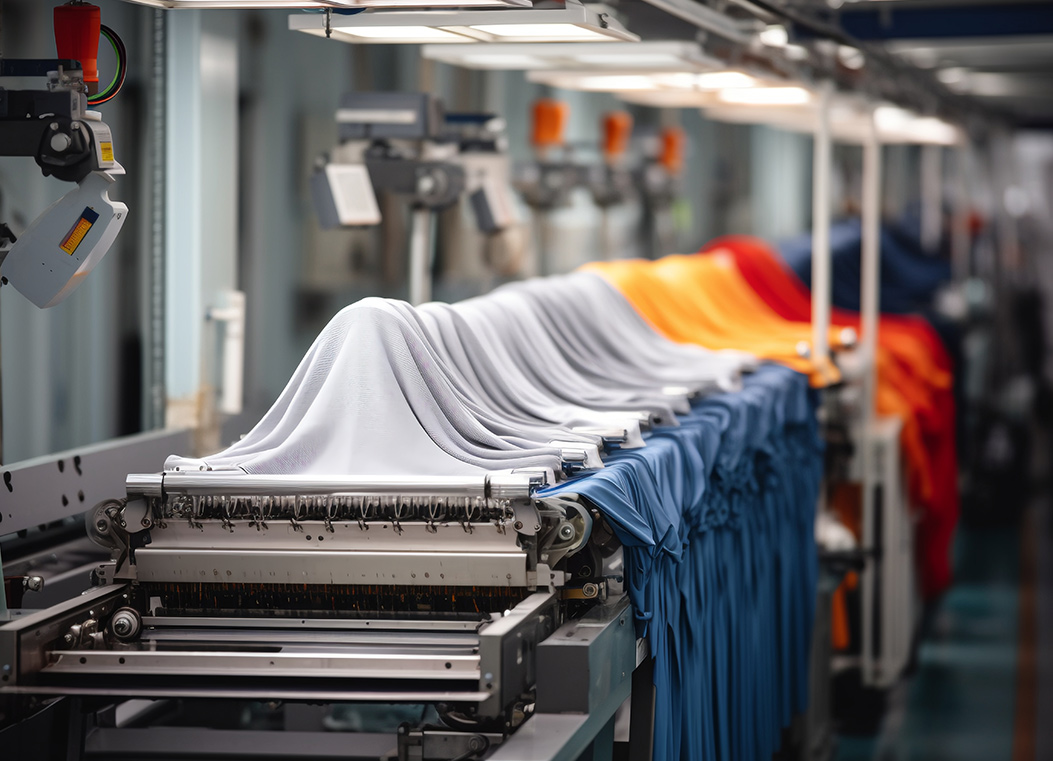
- Industrial textile washing systems for uniform fabric appearance
- Liquid detergents used in automatic washing machines
- Fabric care additives and boosters
- Paper-based cleaning wipes and tissue treatment systems
In powder detergents, optical additives are often blended with fillers and surfactants during dry mixing stages. In liquid systems, they are dissolved or suspended within the formulation matrix. The selection of method depends on product stability requirements and storage conditions.
Formulation Behavior in Practical Use
In detergent production and testing environments, optical brighteners are evaluated based on fabric appearance consistency after washing cycles, stability in formulation storage, and interaction with other chemical components. The following table summarizes typical observation points:
|
Factor |
Without Optical Adjustment |
With Optical Brightener OB Integration |
|
Fabric tone after wash |
Slight yellow or dull tone in some cases |
More neutral visual tone across fabrics |
|
UV light response |
Limited fluorescence effect |
More balanced blue light reflection |
|
Hard water influence |
Noticeable residue variation |
Reduced visual inconsistency |
|
Storage stability |
Dependent on formulation balance |
More stable optical distribution |
These results depend on formulation design, detergent concentration, and washing conditions. Adjustments are usually made through iterative testing during product development stages.
Integration in Detergent Manufacturing Systems
Modern detergent manufacturing systems combine multiple functional components into a single formulation framework. Fluorescent Whitening Agent is integrated alongside surfactants, builders, enzymes, and stabilizers. Optical Brightener OB is selected based on compatibility with the chemical environment of the detergent system.
During production, mixing order and dispersion conditions influence final additive distribution. In powder detergents, dry blending uniformity is important to avoid uneven optical response. In liquid detergents, viscosity and solubility conditions influence how evenly the additive is distributed.
Temperature stability during storage also plays a role. Detergents stored in varying environmental conditions may experience slight changes in appearance performance if formulation balance is not maintained. For this reason, formulation testing often includes both accelerated aging and real-condition washing tests.
Industrial Use Considerations
Detergent formulation strategies involving optical brighteners are influenced by consumer usage patterns, fabric diversity, and regional water characteristics. Instead of focusing only on stain removal, manufacturers also consider how cleaned materials are visually perceived after drying.